Alternatives

Alternatives
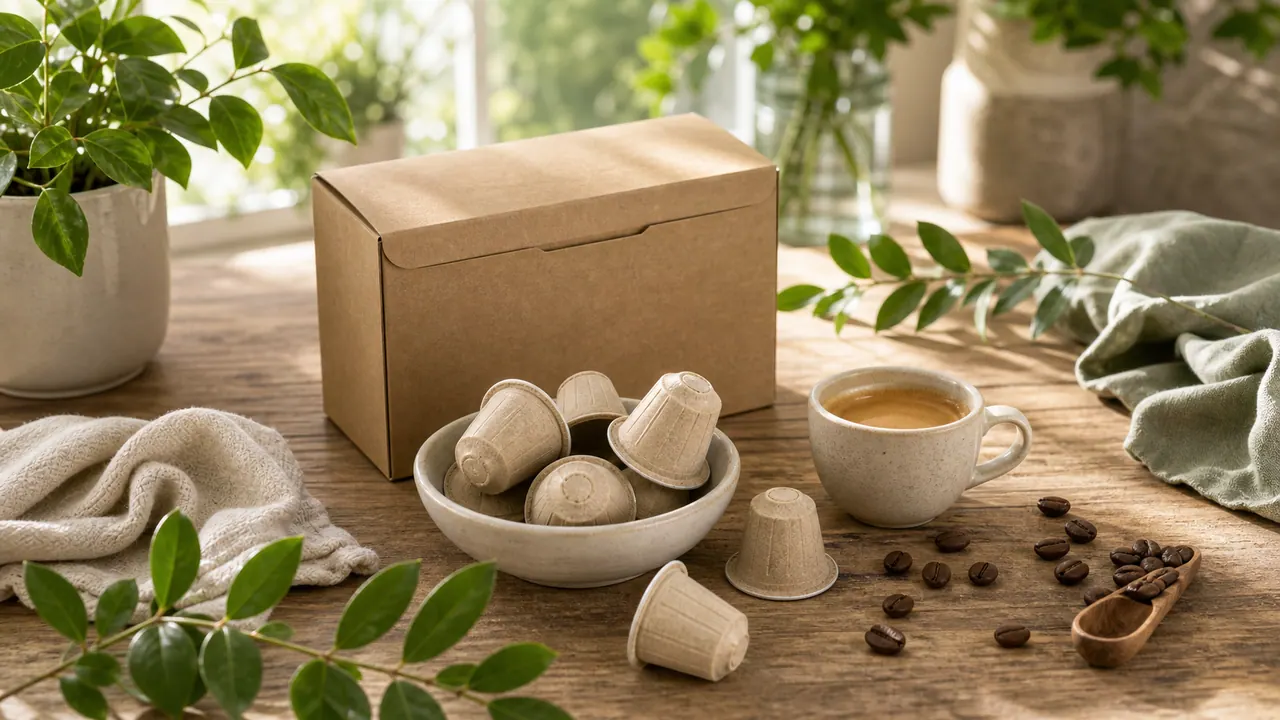
Compostable coffee pods are becoming more visible because many capsule users want less waste without giving up the convenience of a Nespresso-style machine. The idea is appealing: instead of throwing away a plastic or aluminium pod, you choose a capsule made from compostable materials and dispose of it through the right organic-waste route. In practice, the decision is more nuanced. Some compostable pods taste good and work well, while others may feel less consistent, lose aroma faster, or depend on disposal systems that are not available where you live.
This guide focuses on Nespresso Original-compatible compostable capsules, because that is where most third-party alternatives exist. Vertuo is different. Do not buy Original-compatible compostable pods for a Vertuo machine, and do not assume third-party Vertuo compatibility unless it is clearly verified for your exact machine.
Compostable Nespresso-compatible pods can be a good choice if they are clearly labelled for , sealed well for freshness, and supported by a credible composting certification or disposal instruction. They are not automatically better in taste, price, or environmental impact. Check whether the pod is or , because those are not the same. Availability, certification, flavour range and waste rules vary by country, so compare local options before buying in bulk.
Guided recommendation
Use the machine quiz if you want a guided recommendation based on drinks, space and daily routine.
Find My MachineWritten reviews are coming soon.
Ratings are live, but no written comments have been added yet.
A good compostable capsule has to do three jobs at once: protect ground coffee, fit the machine cleanly, and break down through the disposal route claimed on the pack. If one of those fails, the capsule is not a strong alternative even if the sustainability message sounds attractive.
| What To Check | Why It Matters | Safe Buying Tip |
|---|---|---|
| Original compatibility | Prevents machine mismatch | Look for “Nespresso Original compatible” |
| Composting label | Tells you the correct disposal route | Check home vs industrial composting |
| Freshness barrier | Protects aroma before brewing | Prefer well-sealed packs, not loose capsules |
| Capsule fit | Reduces leaks or weak extraction | Start with a small box first |
| Roast style | Affects flavour more than capsule material | Match dark, balanced or milk-friendly pods to your taste |
| Local disposal rules | Composting access varies | Follow local organic-waste guidance |
This is the most important sustainability distinction. Home compostable means the product is intended to break down in a home composting environment under appropriate conditions. Industrially compostable means it is designed for controlled composting facilities with higher heat and managed processing. A capsule that is industrially compostable should not automatically be treated as home compostable.
Packaging language matters. A pod may say “compostable,” but the back of the box may specify industrial composting only. Some areas accept certified compostable coffee pods in food-waste collections; others do not. If your local waste service does not accept compostable pods, the environmental benefit becomes less clear. The safest approach is to look for a recognised certification logo, read the disposal instructions, and check your local composting rules.
They can, but the difference is not only about the capsule shell. Taste depends on the coffee blend, roast, grind size, freshness, seal quality and extraction. Compostable materials may not always create the same oxygen barrier as aluminium, so freshness protection is an important buying point. A compostable capsule that is individually wrapped or packed in a strong outer bag may keep aroma better than one that is poorly sealed.
For espresso, compostable pods often perform best when the roast is medium-dark or dark and the capsule is designed for short extraction. A delicate light roast can taste thin if the pod does not build enough pressure or if the coffee has lost aroma. For milk drinks, choose a bolder capsule with roasted, cocoa, nutty or full-bodied notes so the coffee still shows through milk.
These are usually the easiest place to start. Darker roasts can give more body and a stronger espresso impression, which helps if a compostable capsule extracts slightly differently from aluminium. They suit espresso, cappuccino and iced latte. Avoid brewing them too long if you dislike bitterness.
If you want compostable capsules for daily use, medium-dark pods may feel smoother. They are less likely to taste harsh than very dark capsules and can work as espresso or short lungo. This is a sensible option for people who drink several coffees a day and want balance rather than maximum intensity.
Milk softens acidity and bitterness, so the capsule needs enough body. Look for descriptions such as intense, full-bodied, roasted, cocoa, biscuit or nutty. Pair these pods with cappuccino, latte or flat white recipes from /recipes. If the coffee disappears under milk, try a shorter extraction or use two capsules.
If you have a real home composting setup and the packaging clearly says home compostable, this can be a convenient route. Still, composting depends on temperature, moisture, time and what your compost system can handle. Do not assume every compostable pod belongs in a small balcony compost bin.
These can be useful if your local food-waste or composting service accepts them. They may not be suitable for home composting. For many buyers, the practical question is not “Is it compostable?” but “Can I actually dispose of it correctly where I live?”
Most third-party compostable capsules are designed for Nespresso Original-compatible machines. They do not fit Vertuo machines. Vertuo capsules have a different shape and are read by the machine’s barcode-based system. For Vertuo, keep the official Vertuo ecosystem separate unless a third-party product is clearly verified for Vertuo.
If you are unsure which machine you own, compare it through /machines or use /quiz before buying. A compostable pod is only useful if it fits your machine correctly.
Compostable pods can cost more, the same, or less than other alternatives depending on country, pack size and brand. Live prices change too often to list safely. Use this formula instead:
Pack price ÷ capsule count = price per cup
Then compare that result with the capsule’s freshness, certification, roast style and disposal route. A cheaper compostable pod is not always better if it extracts poorly. A more expensive one is not automatically worth it if your local composting system cannot accept it.
For strong espresso, choose dark roast or intensity-focused Original-compatible compostable pods. For milk drinks, choose full-bodied capsules and keep the espresso short. For iced coffee, use a stronger pod because ice and milk dilute the flavour. Compostable capsules can work well in all three cases, but start with a smaller pack first. Machine fit and freshness vary by brand.
Use safe purchase checks rather than chasing a vague “best” claim. Compare capsule options in /capsules, check current availability with trusted merchants, and read the packaging before you buy. Useful CTA wording includes Check availability, Search on Amazon, View official options, and Find compatible capsules. Do not rely on any product page that does not clearly state the capsule system.
Are compostable Nespresso pods compatible with all Nespresso machines?
No. Most are for Nespresso Original-compatible machines only. They should not be used in Vertuo unless the product is specifically verified for Vertuo.
Are compostable pods always home compostable?
No. Some are only industrially compostable. Always check the certification and disposal instructions on the packaging.
Do compostable pods taste worse than aluminium pods?
Not necessarily. Taste depends on the coffee, roast, freshness, seal and extraction. Some compostable pods can taste good, but consistency varies.
Are compostable pods cheaper?
Not always. Compare price per cup using current local prices, but do not ignore freshness, fit and disposal rules.
Can compostable pods damage a Nespresso Original machine?
A well-made compatible pod should work normally, but poor fit can cause leaks or weak extraction. Start with a small pack and stop using any pod that jams or leaks.
What should I check before buying?
Check Original compatibility, composting certification, local disposal rules, roast profile, pack sealing and country availability.