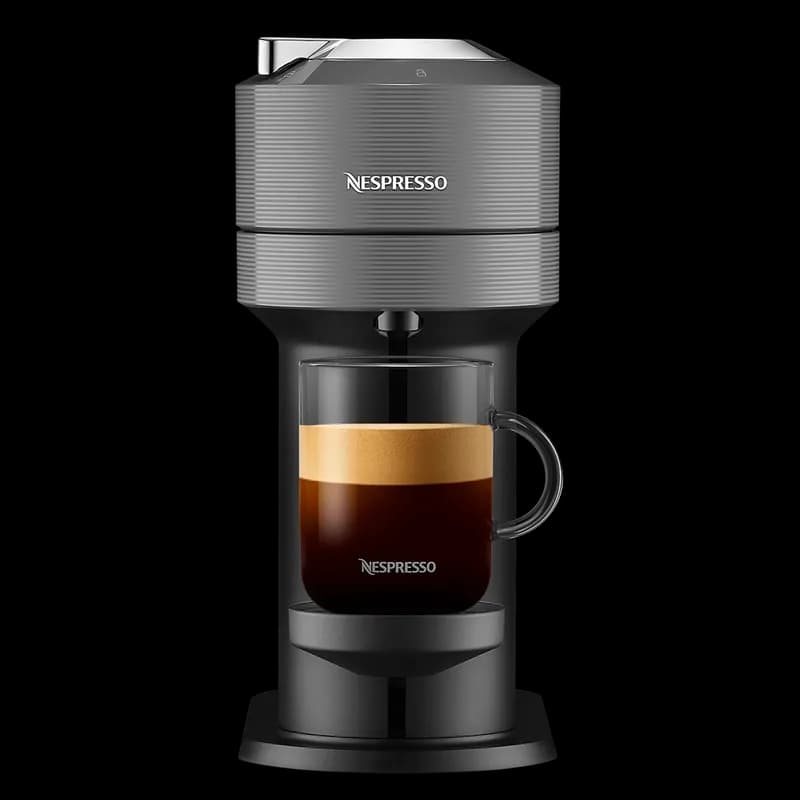

A Nespresso machine is not silent. During heating, pumping, capsule piercing, extraction, rinsing, or milk frothing, it can make noticeable sounds. That does not automatically mean something is wrong. The key is whether the sound is normal operation or a new, harsher sound with vibration, slow flow, leaking, overheating, or a stuck capsule.
Quick Answer
Some Nespresso noise is normal, especially a pump hum, short vibration, capsule-piercing sound, or milk-frother sound. A problem is more likely if the machine suddenly becomes much louder, rattles on the counter, struggles to pump water, leaks, smells hot or electrical, or makes grinding sounds with no coffee flow. Start with simple checks: water tank, surface stability, capsule position, drip tray, capsule container, cleaning, and descaling status.
Step 1: Notice what kind of noise it is
| Noise Type | Usually Points To | First Safe Check |
|---|
| Buzzing or humming | Pump working or air in the water line | Refill and reseat the water tank |
| Rattling | Machine vibration, tray, container, cup, or uneven counter | Stabilize the machine and parts |
| Loud pulsing during extraction | Normal pump effort or possible scale buildup | Run water-only cycle and check flow |
| Clicking at capsule area | Capsule insertion or piercing | Check capsule position without forcing |
| Screeching, burning smell, or electrical sound | Possible fault | Stop using and contact support |
Note when the sound appears: before brewing, during extraction, after brewing, during milk frothing, or while idle.
Step 2: Check the surface and removable parts
A machine can sound broken when it is only vibrating against the counter. Place it on a flat, solid surface and remove anything touching it, such as a capsule holder, spoon, cup stack, or wall edge.
Reseat the drip tray, used-capsule container, water tank, and cup platform. If the machine becomes quieter, the problem was probably vibration rather than an internal fault.
Step 3: Reseat and refill the water tank
A low, misaligned, or recently emptied tank can make the pump louder. Remove it, rinse it, refill it with fresh water, and place it back firmly. Check that it sits flat and the valve area is not blocked.
If the machine has been unused for a while, air may be in the water path. Run a water-only cycle without a capsule if your model allows it. Do not force repeated cycles if no water moves and the machine becomes very loud.
Step 4: Remove the capsule and test water flow
A poor capsule position can create resistance and noise. Turn the machine off, let it cool if needed, and remove the capsule only if it releases normally. Do not force the lever, lid, or capsule holder.
Run a water-only cycle into a cup. If the machine sounds normal with no capsule but becomes loud only with one capsule, the issue may be capsule seating, capsule type, or the capsule chamber. Original and Vertuo use different capsules, so never try to make one system accept the other.
Step 5: Clean residue around the outlet and capsule area
Coffee oils and dried residue can make the machine strain or drip unevenly. Empty the used-capsule container and drip tray. Wipe accessible areas with a soft damp cloth. Clean the outlet from the outside. Do not scrape inside with a knife, pin, metal tool, or hard brush.
If your machine has a milk system or you use an Aeroccino, isolate it. Milk accessories can make their own buzzing or whisking sounds, and that is separate from capsule extraction noise.
Step 6: Consider descaling if noise comes with slow flow
If the machine is louder and the coffee flow is slower than usual, scale buildup may be part of the problem, especially in hard-water areas. Descaling is different from daily cleaning. Use the descaling process recommended for your exact model and avoid vinegar or homemade chemical shortcuts.
Descaling may help with flow-related noise, but it will not fix a broken pump, electrical problem, cracked part, or repeated mechanical jam.
Step 7: Know when the noise is not normal
Stop using the machine and contact official support or a qualified service option if you notice burning smell, smoke, water near electrical parts, loud grinding with no water movement, repeated jams, leaking from the base, or noise while idle. Do not open the housing to inspect the pump.
Original vs Vertuo noise note
Original and Vertuo machines can both make pump and extraction sounds, but they do not use the same capsule system. Vertuo pods are for Vertuo machines, and Original capsules are for Original line machines. Third-party compatible capsules are mostly discussed around Original-style machines, but do not assume any third-party capsule works with Vertuo unless the packaging clearly confirms it.
FAQ
Is it normal for a Nespresso machine to be loud?
Some noise is normal. Pump hum, short vibration, and extraction sounds are expected. A sudden new noise with slow flow, leaking, burning smell, or repeated errors is not something to ignore.
Why does my machine rattle on the counter?
The drip tray, used-capsule container, cup platform, water tank, or nearby objects may be vibrating. Reseat removable parts and place the machine on a stable surface.
Can descaling make a noisy machine quieter?
It can help if scale buildup is restricting water flow. It will not fix electrical faults, broken parts, or mechanical damage.
Should I open the machine to check the pump?
No. Do not open the housing. If basic checks do not solve the problem, use official support or a qualified repair route.