
WHICHCAPSULE

Capsule tips / Strong taste / Guides

Strongest Nespresso Pods in Canada: Caffeine vs Intensity

Separate Nespresso intensity, roast, serving size and caffeine before choosing a stronger-tasting Original or Vertuo pod in Canada.

Guided recommendation

Capsule Library

Browse capsules by brand, system and collection.

Browse products

Find My Capsule

Answer taste questions and get capsule matches for your system.

Start quiz now

Reviewed by WhichCapsule· Updated Jul 16, 2026, 00:00

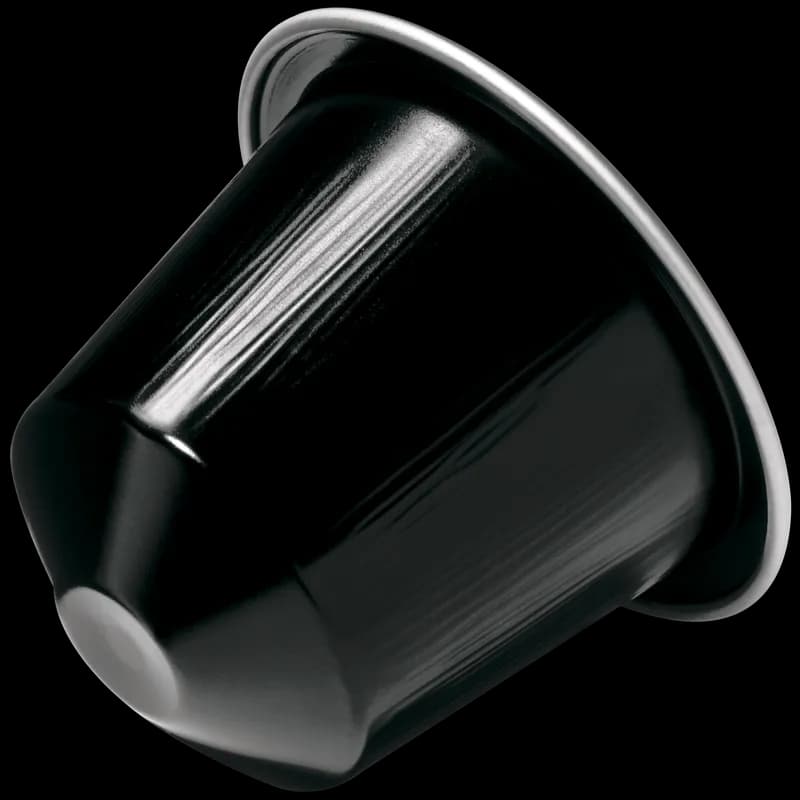
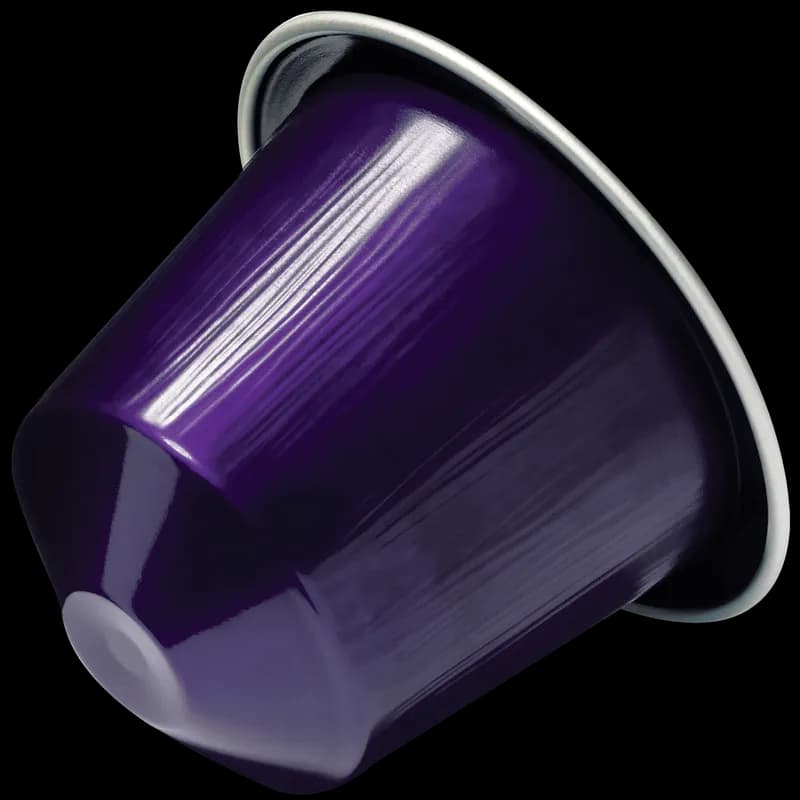
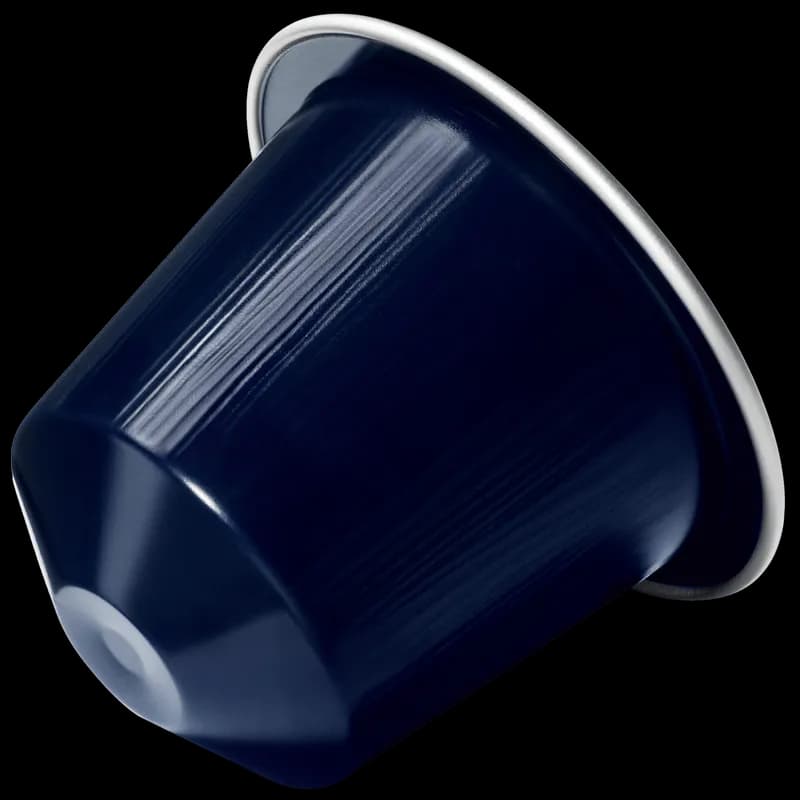
Dark-roast coffee capsules used to explain intensity and caffeine

As an Amazon Associate I earn from qualifying purchases.

The strongest-tasting Nespresso pod is not automatically the pod with the most caffeine. Intensity commonly reflects perceived roast character, body and bitterness within a product range; caffeine depends on coffee composition, dose, serving size and extraction. A concentrated dark espresso may taste stronger than a larger coffee while containing less total caffeine. Choose first between flavour strength and caffeine quantity, then compare only capsules that fit your Original or Vertuo machine.

Canada buying note

Use caffeine information for the exact Canadian product and serving when it is available. Do not transfer an exact number from a US or European chart to a Canadian capsule without confirming that the product and serving match.

The short answer

For a forceful short Original espresso, darker options such as Napoli, Kazaar or Ristretto Italiano are common starting points where they are currently offered. For Vertuo, a concentrated option such as Diavolitto or Double Espresso Scuro can provide a bold flavour direction, while a larger dark-roast capsule may deliver a different balance of total coffee, bitterness and dilution. These examples are not a laboratory caffeine ranking, a stock statement or a claim that one product is universally strongest.

If the goal is a latte that still tastes of coffee, choose body and roast presence at an espresso or double-espresso serving size. If the goal is more total caffeine, consult the official product information for the exact capsule and serving in your country. Do not substitute an intensity number for that information.

Intensity is a sensory guide, not a caffeine unit

An intensity scale helps organise flavour within a brand's range. It may reflect roast, bitterness, body and aromatic impact. The scale is not standardised across every coffee company, and a one-point difference does not represent a fixed chemical or sensory interval. A capsule marked 12 is not mathematically “20 percent stronger” than one marked 10.

Caffeine is a compound measured by mass. To compare it accurately, you need product-specific data and a defined serving. Coffee species and blend, dose, grind, extraction and final cup size can all affect the result. Unless an approved source publishes a number for the precise capsule and serving, WhichCapsule does not invent or estimate one.

This distinction explains why two questions need different answers:

  • “Which pod tastes strongest?” calls for roast, bitterness, body and recipe analysis.
  • “Which cup contains the most caffeine?” calls for product-specific caffeine and serving data.

Cup size changes the experience

A ristretto or espresso concentrates flavour in a small volume. A lungo or mug spreads coffee across more water. More liquid does not guarantee a stronger taste, and a stronger taste does not prove more caffeine. Compare capsules at their recommended serving rather than forcing every product into the same button setting.

Running excessive water through an Original espresso capsule can thin the cup and emphasise an over-extracted finish. If you want a longer black drink, use a capsule intended for a longer serving or add hot water after a shorter extraction. With Vertuo, choose a capsule whose assigned size matches the drink; the system and capsule define the programme.

Milk and ice add another layer. Both dilute perceived coffee strength. A capsule that tastes assertive as espresso may become balanced in a latte, while a delicate aromatic capsule may disappear. For iced drinks, leave room for melting ice and begin with a concentrated base rather than selecting by intensity number alone.

A flavour-strength framework

Evaluate a bold capsule on four sensory dimensions:

  1. Roast character: darker roast notes can suggest toast, cocoa or char; lighter roast profiles may emphasise acidity and fruit.
  2. Bitterness: bitterness contributes impact but can become harsh when extraction or dilution is poorly matched.
  3. Body: a fuller texture can make a short coffee feel more substantial.
  4. Finish: a lingering finish may create a stronger impression than a sharp first sip that fades quickly.

These dimensions can move independently. A full-bodied coffee need not be the most bitter. A dark roast can be smooth. A bright coffee can be intense without tasting burnt. Use the product notes as a shortlist tool, then compare in the drink you actually make.

Strong options for Original

Original drinkers looking for a bold short cup can start with the darker end of the current official range. Napoli, Kazaar, Ristretto Italiano and Arpeggio illustrate different routes to impact: roast depth, bitterness, body or aromatic character. Exact names and portfolios vary by market, so verify them in the current capsule library and official local catalogue.

For milk, compare the same capsule as a short espresso with a fixed milk quantity. Do not use more coffee, a different cup and a different milk ratio for every sample; that hides the difference you are trying to understand. A capsule with clear body may remain present without requiring the harshest roast profile.

Third-party Original-compatible capsules can broaden the choice, but their intensity scales may not map to Nespresso's scale. Treat each producer's number as an internal guide. Confirm Original compatibility on the individual product before buying.

Strong options for Vertuo

Vertuo requires both format and size awareness. A Vertuo espresso, double espresso and mug capsule are not interchangeable serving concepts. Diavolitto and Double Espresso Scuro are examples of concentrated, bolder directions in markets where they are available. Mug-size products such as darker-roast or high-body variants answer a different need: a larger black coffee rather than a compact espresso.

Do not compare intensity labels across cup sizes without context. The taste concentration and total beverage volume change together. Decide whether you want a sharp espresso impact, a milk-drink base or a large black coffee, then compare within that group.

Only use capsules explicitly sold for Vertuo. Original-compatible third-party wording does not establish Vertuo fit. Review the compatibility chart if the packaging is ambiguous.

How to compare caffeine responsibly

Use this evidence order:

  1. Current official product information for the exact capsule and market.
  2. Current packaging that identifies the product and serving.
  3. A credible product-specific source with a clear measurement method.
  4. General estimates only as broad background, never as an exact product claim.

Check whether a number refers to one capsule, a prepared serving, a range or a different market formula. Do not combine a value for one cup size with the name of another product. Portfolio changes can make old charts misleading even when they once reflected a real product.

Personal caffeine tolerance is not a competition. Larger amounts can affect sleep, anxiety and other health conditions. Anyone who is pregnant, sensitive to caffeine, taking relevant medication or managing a medical condition should follow professional guidance rather than a ranking article. WhichCapsule is a product-comparison tool, not a source of individual medical dosing advice.

How to make a bold cup without chasing a bigger number

Use the capsule's intended serving size. Preheat the cup if the machine instructions allow it. Keep the machine clean and follow its descaling guidance, because poor flow and residue can distort flavour. For milk drinks, reduce the milk quantity before adding a second capsule. For iced coffee, control ice and dilution.

Water also affects perception. Very different mineral profiles can change extraction and flavour. Use drinking water appropriate for the machine and follow the manufacturer's water guidance. Do not compensate for maintenance problems by selecting ever-darker capsules.

Common mistakes

  • Reading intensity as milligrams of caffeine.
  • Comparing an espresso capsule with a mug capsule without noting serving size.
  • Assuming the darkest roast is automatically best in milk.
  • Extending an espresso with too much water and calling the thin result “not strong enough”.
  • Combining caffeine figures from different countries, formulas or serving definitions.
  • Buying the highest-numbered capsule before checking system compatibility.
  • Treating a subjective flavour preference as a universal performance ranking.

Choose the right kind of strength

Write down the outcome you want: more roast impact, more bitterness, fuller body, better presence through milk, or more total caffeine. Compatibility and cup size come next. Then use the capsule finder and Best Nespresso pods guide to narrow the current catalogue. The useful answer is not simply “pick the largest number”; it is “pick the correct system and serving, then choose the flavour dimension that you mean by strong.”

Guided recommendation

Capsule Library

Browse capsules by brand, system and collection.

Browse products

Find My Capsule

Answer taste questions and get capsule matches for your system.

Start quiz now

Reviews

Written reviews are coming soon.

Ratings are live, but no written comments have been added yet.