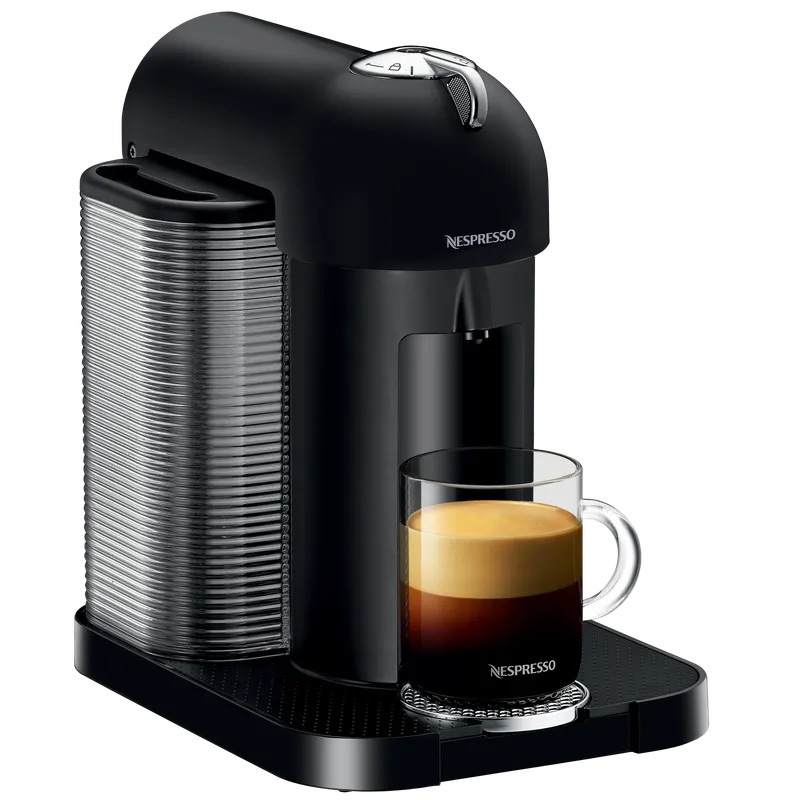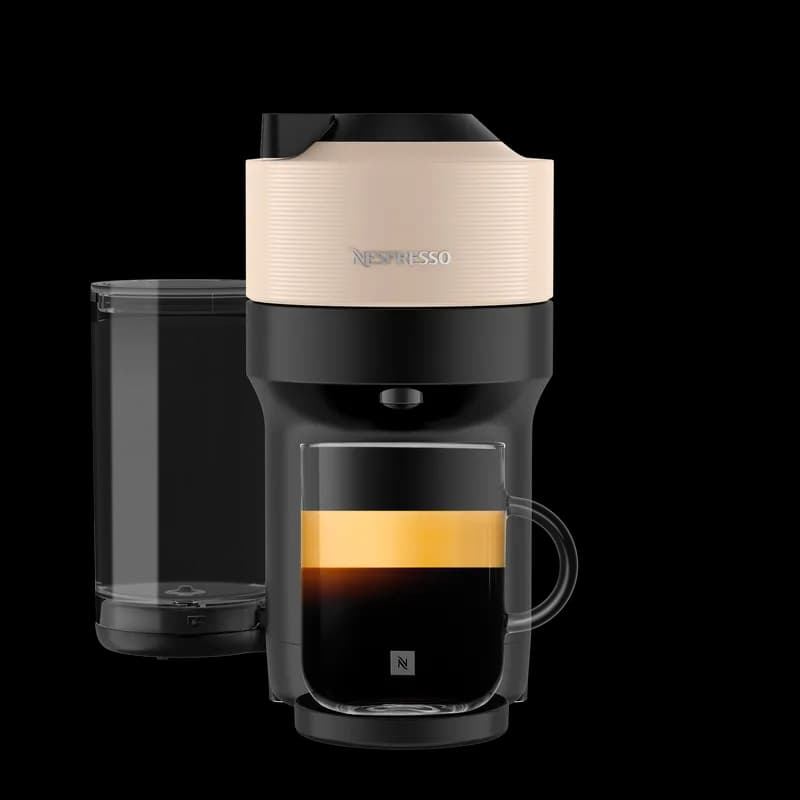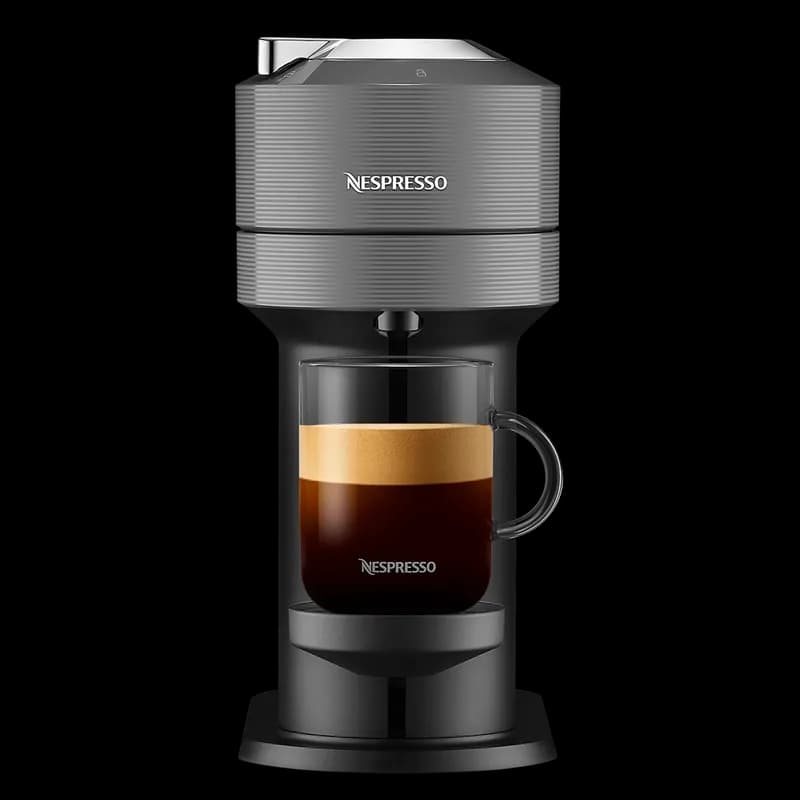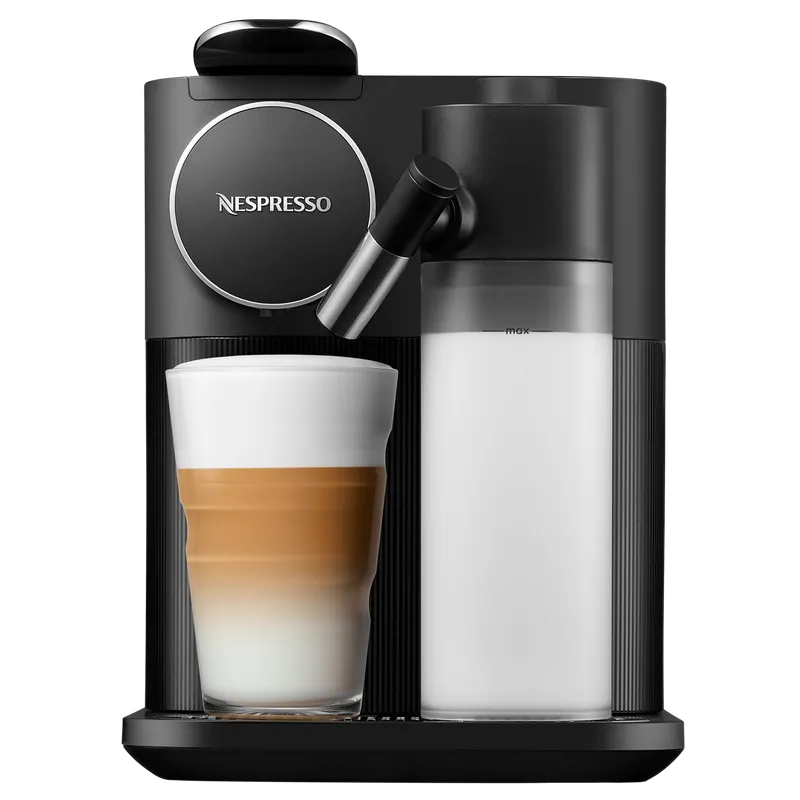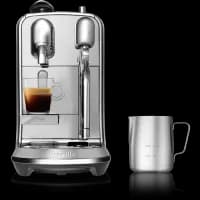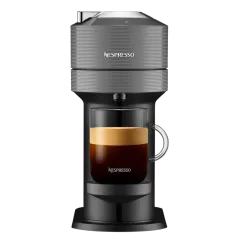
There is no universal age when every Nespresso machine should be replaced. Some issues come from cleaning, descaling, water quality, capsule position, or a worn accessory. Other issues point to a machine that is no longer safe, reliable, or practical for your routine.
Quick Answer
You should consider replacing your Nespresso machine when it has repeated leaks from the base, electrical smell, overheating, recurring pump failure, repeated errors after cleaning and descaling, unavailable support, or a system that no longer matches the coffee you drink. Do not replace it just because the coffee tastes slightly different once. First clean accessible parts, descale when required, check the water tank, remove stuck capsules safely, and review your exact model manual.
First, check whether the issue is fixable
Before you decide that the machine is finished, run through the safe basics. Empty the used-capsule container and drip tray. Refill and reseat the water tank. Remove any capsule that comes out easily. Wipe the coffee outlet and accessible capsule area with a soft damp cloth. Run a water-only cycle if your model allows it. If the machine has a milk system, clean the milk parts separately.
Then ask whether the problem appears once, occasionally, or every time. A one-off slow flow is not the same as repeated failure after maintenance. A strange taste is not the same as burned smell, base leaking, or repeated error lights.
Signs that replacement may make sense
| Sign | What It Suggests | What To Do First |
|---|
| Water leaks from the base | Possible internal leak | Stop using it and contact support |
| Electrical smell or power issue | Safety concern | Unplug and do not keep testing |
| Same error returns after cleaning and descaling | Repeated fault or sensor issue | Check model support options |
| Pump runs but water rarely flows | Air, scale, blockage, or pump wear | Try safe water checks, then support |
| Capsule area jams repeatedly | Wear, residue, capsule fit, or mechanism issue | Clean accessible parts; do not force it |
| Your drink needs changed | Machine may not fit your routine | Compare systems and cup sizes |
Replacement is not only about failure. A working machine can still be a poor match if you now want larger black coffees, easier milk drinks, lower-maintenance use, or a different capsule ecosystem.
Repair, maintain, or replace?
Use a simple decision path. If the problem is visible dirt, coffee residue, milk residue, or stale water, clean it. If flow is slow and the machine asks for descaling, descale it with a suitable product and complete the rinse cycle. If the problem involves electricity, overheating, leaking from the bottom, burning smell, or repeated internal errors, stop using the machine and move to support.
If support is not available in your country, the machine is outside warranty, replacement parts are hard to source, or repair would cost close to a new model you are already considering, replacement may be the more practical route. Do not use this as a fixed price rule. Compare the current repair quote, shipping, downtime, and the price you can actually verify in your country.
Original vs Vertuo: replacement can change your capsule options
Do not replace a Nespresso machine without checking the capsule system. Nespresso Original and Vertuo are separate systems. Original machines use Original capsules and are usually chosen for espresso, lungo, third-party compatible Original capsules, and compact routines. Vertuo machines use Vertuo pods and are often chosen for a wider range of cup sizes.
That matters because replacing an Original machine with a Vertuo machine changes your capsule buying routine. It also matters the other way around: replacing Vertuo with Original may reduce larger cup-size options but may open more Original-compatible third-party choices, depending on country. Do not assume third-party compatible capsules work with Vertuo unless the packaging clearly confirms compatibility.
Do not replace the machine for the wrong reason
Do not replace the machine before checking your water, cup, capsule, and cleaning routine. Cold coffee can come from a cold cup or cold milk. Weak coffee can come from the capsule style or cup size. Slow flow may point to scale, not a dead machine. Milk foam problems often come from milk type, residue, or an Aeroccino issue rather than the coffee machine itself.
Also avoid unsafe “last try” repairs. Do not open the machine body, bypass sensors, force the lever, scrape the capsule chamber with metal tools, or run vinegar through the system unless your official manual says it is suitable. A machine that seems unsafe should be unplugged, not pushed harder.
A practical replacement checklist
Replace only after you can answer these questions:
- Have I cleaned the removable parts and coffee outlet?
- Have I descaled it when the model requires it?
- Is the problem repeated, not just occasional?
- Is there any leak from the base, electrical smell, or overheating?
- Is official support or repair realistic in my country?
- Does my current machine still match my drink style?
- Am I staying with Original, switching to Vertuo, or comparing both?
FAQ
How long should a Nespresso machine last?
There is no safe universal number. Lifespan depends on model, water hardness, cleaning, descaling, usage, storage, and repair access.
Should I replace my machine if it leaks?
A drip tray leak or badly seated tank may be fixable. A leak from the base is different: stop using the machine and contact support.
Should I switch from Original to Vertuo when replacing?
Only if Vertuo better matches your cup-size routine and pod availability in your country. Original and Vertuo capsules are not interchangeable.