

The short answer
Keeping official taste and convenience
- Best route
- Recycle aluminum capsules through a local scheme
- Works with
- Original and Vertuo
Less material to recycle
- Best route
- Certified compostable pods
- Works with
- Mostly Original
Least single-use waste overall
- Best route
- Stainless steel reusable pods
- Works with
- Original (Vertuo only if verified for your model)
Better farming and trade standards
- Best route
- Organic or Fairtrade certified coffee
- Works with
- Mostly Original-compatible brands
There is no single "greenest pod". The best choice is the one you will actually use correctly every day, in a machine it fits, with a disposal route that exists where you live.
First, check which system you own
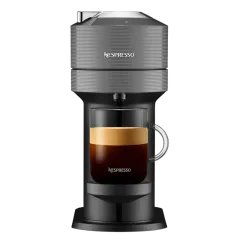
Original and Vertuo capsules are different shapes and the machines brew them differently: Original pushes hot water through a small espresso capsule at high pressure, while Vertuo spins a dome-shaped capsule and reads a barcode on the rim to set the cup size. Nearly all compostable, reusable, organic and Fairtrade alternatives are made for Original. If you own a Vertuo machine, your realistic greener options are recycling official Vertuo capsules and choosing coffees whose sourcing you trust; treat any third-party Vertuo product with caution unless it names your exact machine. Not sure which you have? The compatibility chart shows the difference in a minute, and the machine finder helps if you are still choosing.
Route 1: recycle aluminum capsules
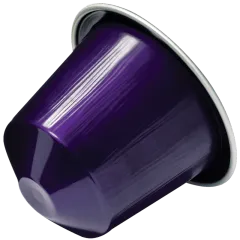
Official Nespresso capsules for both systems are aluminum, and aluminum is a material recycling systems know how to handle. The catch is that a used capsule is small and still full of wet coffee grounds, so many household collections will not sort it correctly on its own. That is why Nespresso runs capsule recycling programs in many countries, using return bags, drop-off points or partner collection schemes. The details differ by market, so check the official recycling page for your country rather than assuming the US, UK and Canadian schemes work the same way.
Why aluminum still makes sense for many people: it protects coffee well. Aluminum is a strong barrier against oxygen and moisture and stays rigid during brewing, which helps the machine pierce the capsule cleanly and extract a consistent shot. If you buy capsules in bulk or drink them slowly, that freshness protection is a real advantage.
Make recycling a habit, not a project. Keep the return bag or a small tub next to the machine, fill it as you go, and drop it off when it is full. Recycling only helps if the capsules actually reach the scheme.
If you would rather hand used capsules over in person, the Nespresso boutique guide explains what a boutique offers, including a drop-off point for used aluminum capsules.
Aluminum vs plastic compatible pods
Many Original-compatible capsules on supermarket shelves are plastic or mixed materials. Material alone does not decide taste or machine health, but it changes a few things worth knowing.
Freshness
- Aluminum pods
- Strong oxygen barrier
- Plastic pods
- Varies by design and seal
Extraction
- Aluminum pods
- Rigid, pierces cleanly
- Plastic pods
- Can flex if poorly made
Machine fit
- Aluminum pods
- Usually firm
- Plastic pods
- Varies by brand
Recycling
- Aluminum pods
- Scheme-dependent
- Plastic pods
- Often not accepted locally
Best use
- Aluminum pods
- Espresso and ristretto
- Plastic pods
- Everyday sampling, milk drinks
The rule that protects your machine is simple: a capsule should drop in easily and close without force. If the lever is hard to close, the capsule crushes unevenly, coffee leaks into the drip tray or grounds appear around the capsule holder, stop using that pod in that machine, whatever it is made of. Our guide to whether third-party pods damage Nespresso machines covers the warning signs in more detail.
Route 2: compostable pods
Compostable capsules replace aluminum or plastic with plant-based materials, so the used pod goes to organic waste instead of a recycling scheme. They are available almost entirely for Original machines.
Home compostable and industrially compostable are not the same. Home compostable means the pod is designed to break down in a home compost heap under the right conditions. Industrially compostable means it needs the higher temperatures of a managed facility. A pod labeled "compostable" on the front may say "industrial composting only" on the back. Check whether your local food-waste collection accepts compostable coffee pods; if it does not and you have no home compost, much of the environmental benefit disappears.
Taste and freshness. Plant-based materials do not always block oxygen as well as aluminum, so how the pods are packed matters. Individually wrapped capsules or a well-sealed outer bag keep aroma longer than loose pods in a cardboard box. Compostable pods tend to work best with medium-dark and dark roasts, which give enough body if the extraction is slightly different from aluminum. Very light roasts can taste thin.
What to check before buying:
- the pack says compatible with Nespresso Original (or names your machine)
- a recognized compostability certification and clear disposal instructions
- home or industrial composting, matched to what you can actually use
- individual wrapping or a sealed refill bag
- a small trial pack first, to confirm fit and flavor
Route 3: stainless steel reusable pods
A reusable pod is a refillable capsule you fill with your own ground coffee, brew, empty and rinse. It removes the single-use shell completely and lets you use any coffee you like, including beans from a local roaster. The trade-off is effort: you grind or buy the right grind, fill, close, brew and clean every time.
Who they suit: Original owners who enjoy experimenting, already buy good coffee and do not mind thirty seconds of extra work per cup. Who they do not suit: anyone who chose Nespresso for a no-thought morning routine.
Getting a good shot from a reusable pod:
- use an espresso-fine grind; too coarse tastes weak, too fine can choke the flow
- fill to the line the maker recommends; overfilling can stop the lid closing properly
- tamp lightly if the design asks for it, never so hard that the machine strains
- for milk drinks and iced coffee, use a darker roast so the coffee is not lost under milk or ice
- rinse and dry the pod and seal after each use, and replace worn lids or silicone seals
Lid design changes the experience. Screw lids are durable but slower to fill; snap and silicone lids are faster but wear over time; foil-lid systems can build better pressure but add a small disposable part. Reusable pods for Vertuo are rare because the machine needs to read a barcode; only consider one that names your exact Vertuo model and explains how it handles the barcode.
Route 4: organic and Fairtrade coffee
Organic and Fairtrade labels describe the coffee, not the capsule. Organic means the coffee was grown and processed under a certified organic standard; in the EU, certified products carry the EU organic leaf logo with a control-body code. Fairtrade is a separate certification focused on trading conditions and support for producers. Some capsules carry both. "Direct trade" and "responsibly sourced" are usually a brand's own claims; they can be meaningful, but look for an explanation of what they mean in practice.
Green packaging and leaf artwork are not certification. Look for the actual logo or certifier on the pack or product page. Most organic and Fairtrade capsules are Original-compatible; a few combine certified coffee with a compostable capsule, which is the closest thing to an all-round greener pod, provided you can compost it.
Certification tells you about farming and trade, not whether you will like the roast. Choose by flavor as you would with any capsule: our best Nespresso pods guide and the capsule finder help match roast and intensity to the way you drink.
Which greener route fits your routine?
- You want official taste and zero fuss: keep official capsules and recycle them through your country's scheme. Works for Original and Vertuo.
- You drink espresso or cappuccino on an Original machine and have food-waste collection: try certified compostable pods in a medium-dark roast.
- You enjoy coffee as a hobby: a stainless steel reusable pod and good fresh-ground coffee give the most control and the least waste.
- Sourcing matters most to you: choose organic or Fairtrade certified Original-compatible capsules, ideally in recyclable or compostable shells.
- You own Vertuo: recycle official Vertuo capsules and be sceptical of third-party claims unless your model is named.
Whichever route you choose, a few habits help: buy pack sizes you will finish while fresh, store capsules away from heat and sunlight, and descale on schedule so every capsule extracts properly. Our descaling guide covers the steps for each machine.
Working out the cost per cup
Prices change too often and too much by country to list here, so compare options with one simple calculation: pack price ÷ number of capsules = cost per cup. For reusable pods, use price of a bag of coffee ÷ number of fills, and add the occasional replacement lid or seal. Then weigh the result against what matters to you: freshness, fit, certification and whether you can dispose of the pod properly. A cheaper compostable pod that you cannot compost, or a reusable pod you stop using after a week, is not the better deal. Browse current options in our capsule library and check the live price on the retailer's page before buying.
Questions people ask
Aluminum or compostable coffee capsules: which is the greener choice?
Aluminum, if you will return the capsules through a recycling program, because aluminum can be recycled repeatedly; one that goes in the trash is the worst outcome. Choose compostable only if you have a garden compost (for home compostable pods) or a municipal food-waste collection that accepts industrially compostable ones. If you have neither route, a stainless steel reusable pod with your own ground coffee creates the least waste.
Are compostable Nespresso pods compatible with every machine?
No. Most are made for Nespresso Original only and do not fit Vertuo.
Can I put compostable pods in my garden compost?
Only if the pack says home compostable. Industrially compostable pods need a managed facility.
Do aluminum capsules taste better than plastic or compostable ones?
Not automatically. Aluminum protects freshness well, but the coffee, roast and seal matter more than the shell.
Do reusable pods work in Vertuo machines?
Rarely. Vertuo reads a barcode on each capsule, so only consider a reusable product that names your exact model.
Is organic coffee the same as Fairtrade?
No. Organic covers how the coffee is grown and processed; Fairtrade covers trading conditions. Some capsules carry both labels.
Can third-party pods damage my machine?
A well-made pod that fits should not. Stop using any pod that jams, leaks or needs force to close.
Is there a quick way to find the right Nespresso capsule?
Yes. WhichCapsule's free Find My Capsule quiz asks which machine you have and how you like your coffee, then ranks only the capsules that fit that machine, such as Firenze Arpeggio and Melozio, with the reason for each match. Take the quiz.