This guide does not replace your model manual. Button sequences, rinse modes, alerts, parts, and milk-system instructions vary by machine and country.
The simple maintenance routine
After daily use
- What to do
- Empty used capsules and drip tray
- Why it helps
- Reduces stale residue and overflow risk
A few times per week
- What to do
- Rinse the tank and wipe the outlet
- Why it helps
- Keeps visible parts clean
After milk drinks
- What to do
- Clean milk container, tube, frother, or wand
- Why it helps
- Milk residue dries quickly
When flow slows
- What to do
- Run a water-only rinse if allowed
- Why it helps
- Helps clear loose coffee residue
When due
- What to do
- Descale with a suitable product
- Why it helps
- Helps manage limescale
Always
- What to do
- Use the right capsule system
- Why it helps
- Prevents chamber and brewing issues
Step 1: Use fresh water and keep the tank clean
Empty old water, rinse the tank, and refill it with fresh water. Do not leave the tank sitting for days with stale water if the machine is not being used. Check that the tank sits correctly on the base and that the valve area is not blocked by visible debris.
If your local water is hard, limescale can build up faster. Follow the descaling schedule in your manual and any machine alert instead of guessing a chemical solution.
Step 2: Empty capsules before they become a mess
Used capsules hold wet coffee grounds. If they sit too long, they can smell stale and make the drip area dirtier. Empty the used capsule container before it is packed full. Rinse the container and drip tray with warm water, then dry them before placing them back.
Step 3: Wipe the capsule area gently
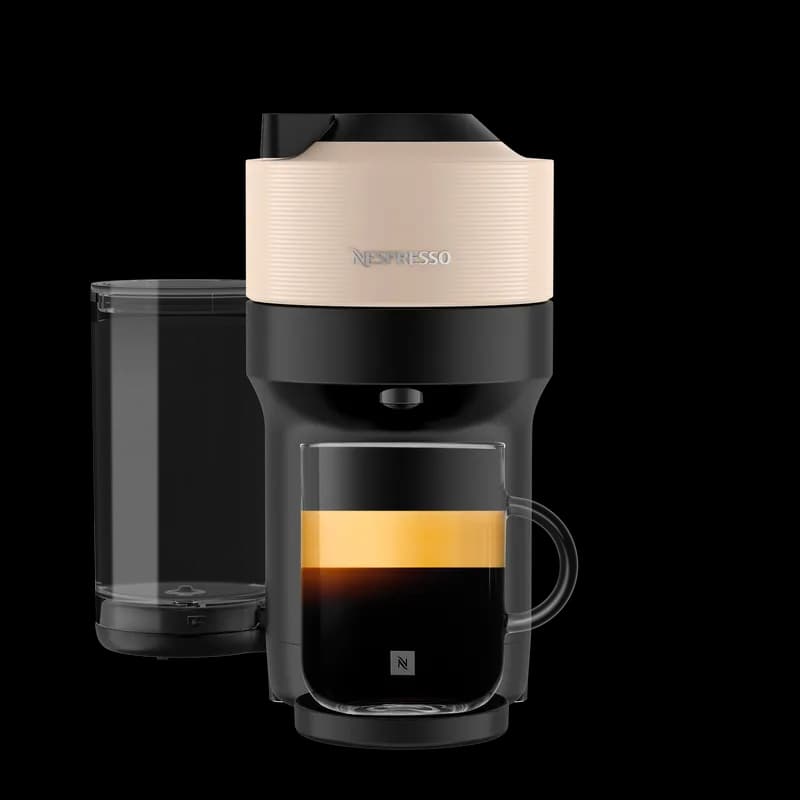
Coffee residue can collect around the capsule chamber, outlet, lever area, or Vertuo head. Wipe visible residue with a soft damp cloth. Do not scrape the piercing plate, capsule holder, or outlet with knives, pins, toothpicks, or metal tools. If residue is dry, soften it with a warm damp cloth and wipe again.
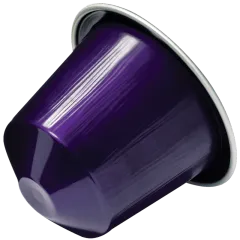
For Nespresso Original, make sure you are not forcing a capsule that does not sit correctly. For Vertuo, do not try Original capsules or unverified third-party capsules. Original and Vertuo are separate systems, and forcing the wrong format can create problems that cleaning will not fix.
Step 4: Keep milk parts separate from coffee maintenance
Milk systems need faster attention than coffee-only parts. If your setup uses an Aeroccino, milk carafe, tube, frother, or steam-style attachment, clean it after every milk drink according to the model instructions. Dried milk residue can affect foam quality, smell, and hygiene.
Do not assume a coffee flow issue and a milk foam issue have the same cause. First test coffee flow without milk parts attached, then inspect the milk system separately.
Step 5: Descale when it is actually due
Cleaning removes visible residue. Descaling deals with mineral buildup inside the water path. These are not the same job.
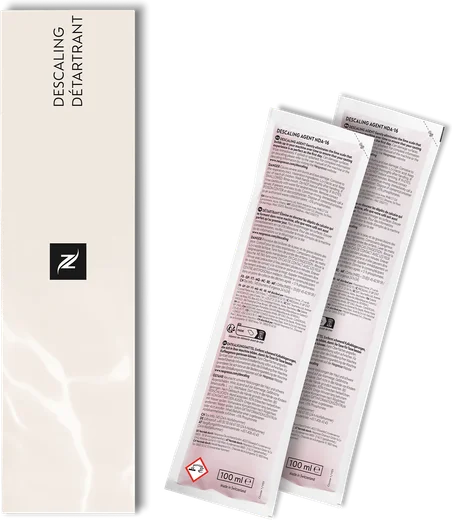
Use a descaling product suitable for your machine and follow your manual for the sequence. Do not pour vinegar, bleach, scented cleaner, dish soap, or homemade acid mixes through the machine. They can leave odor, damage materials, or create safety issues.
If your machine asks for descaling, do not ignore it for weeks. Slow flow, cooler coffee, repeated alerts, or unusual pump noise can be signs that maintenance is overdue, though the exact meaning depends on the model.
Step 6: Give the machine a safe place to work
Place the machine on a stable, flat surface with enough space around it. Keep it away from direct heat, heavy steam, and places where water can run into the cable area. Do not store heavy objects on top of the machine head or lever.
If you will not use the machine for a long period, empty the tank, remove used capsules, clean removable parts, and let pieces dry before storage.
Step 7: Know when not to keep trying
Good maintenance does not make every fault safe to troubleshoot. Stop using the machine if water appears under the body, the plug or cable is damaged, the machine smells hot, the head will not open normally, the pump sound changes sharply, or the same alert returns immediately after correct cleaning.
At that point, use model-specific support or a qualified repair route.
FAQ
How often should I descale my Nespresso machine?
About every three months or every 300 capsules, whichever comes first, and more often with hard water. If your machine has a descaling alert light, descale when it comes on. Use the Nespresso descaling kit, not vinegar.
Can I use vinegar to make my Nespresso machine last longer?
No. Avoid vinegar and homemade cleaning mixes inside the machine. Use a suitable descaling product and follow model-specific instructions.
Does using third-party capsules damage a Nespresso machine?
Not usually on Original machines, as long as the pod fits properly; a loose or badly sealed pod can cause leaks or jams. Vertuo machines have no third-party pods, so the question only applies to Original.
What is the best next step if my machine needs frequent fixes?
If descaling and a full clean do not stop the faults and the machine is out of warranty, replace it rather than keep repairing it. Stay on the same system so your remaining pods still fit.
Is there a quick way to choose the right Nespresso machine?
Yes. WhichCapsule's free Find My Machine quiz asks seven questions about your drinks, milk, counter space and budget, then ranks the Original and Vertuo machines with the reason for each match. Take the quiz.