Guides

Why Does My Nespresso Suddenly Taste Bad? Find What Changed

If Nespresso suddenly tastes bitter, sour or stale, compare the capsule, water, cup and cleaning routine. Find what changed before replacing the machine.

· Updated Oct 26, 2026

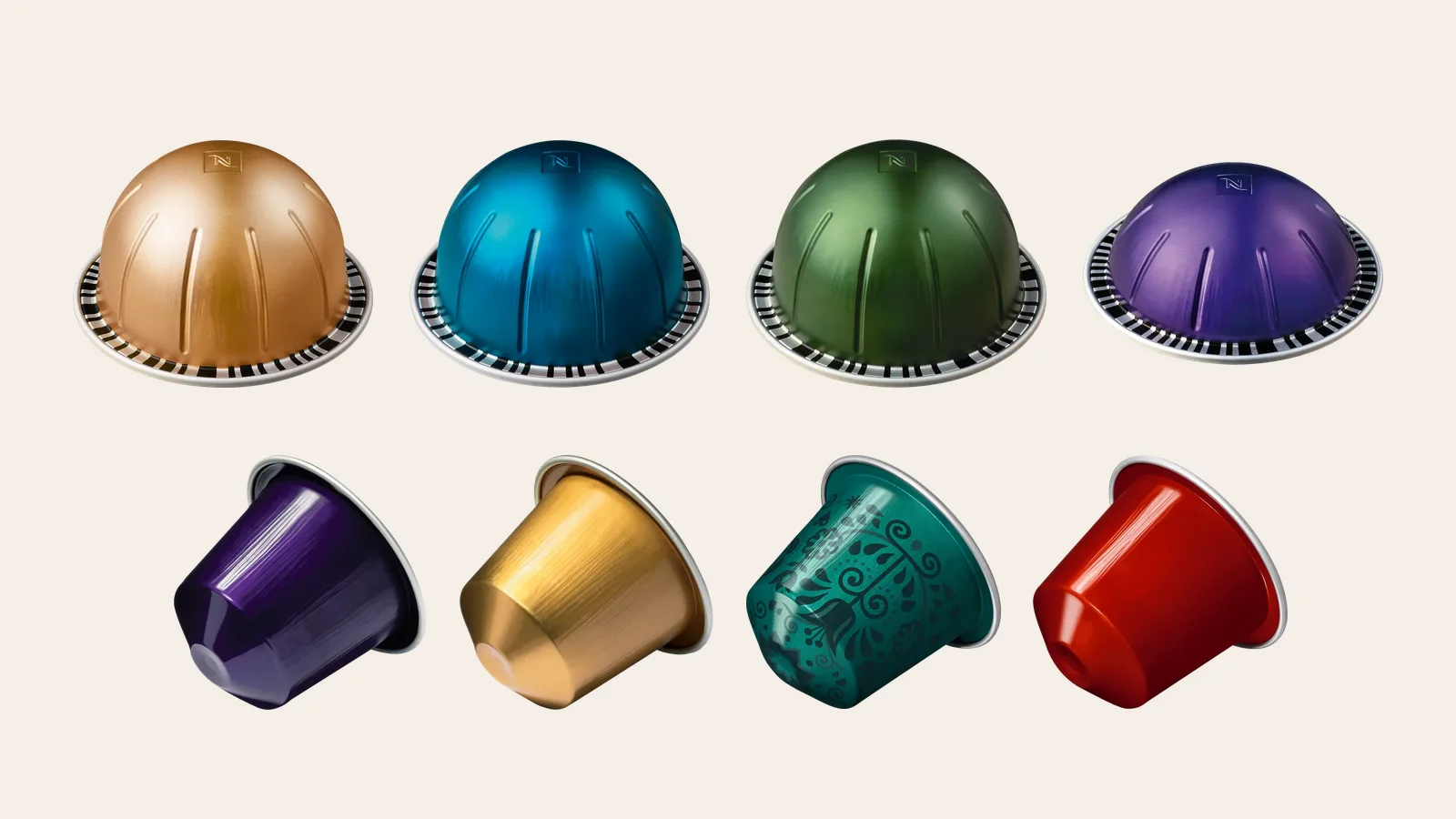
Nespresso Vertuo and Original capsules, official product photos
Official manufacturer product photographs, composed by WhichCapsule.

When a familiar Nespresso suddenly tastes wrong, first compare the same fresh capsule, intended serving, clean cup and fresh drinking water. Change one factor at a time. Bitter, sour and stale describe different experiences; none alone identifies a broken machine, a descaling problem or a specific internal fault.

Start with a before-and-after note

Write down when the change began and what happened just before it: a new sleeve, different water, a changed cup setting, a cleaning cycle or a different milk carton. Compare one plain coffee before changing everything. If the coffee is weak rather than unpleasantly bitter or sour, our watery-coffee checklist focuses on serving size and dilution.

New capsule or sleeve

A Useful Comparison
A fresh capsule of a familiar named coffee
What It Cannot Prove
That one brand always tastes better

Water source or tank left standing

A Useful Comparison
Fresh potable water and a clean tank, per manual
What It Cannot Prove
An exact mineral balance

Bigger cup setting

A Useful Comparison
Intended serving for that capsule
What It Cannot Prove
A pump-pressure fault

Milk or ice added

A Useful Comparison
Taste the coffee separately first
What It Cannot Prove
A fault inside the coffee machine

Recent cleaning

A Useful Comparison
Check that the prescribed process was completed
What It Cannot Prove
That another random cleaning cycle is needed

A new coffee can explain a new taste

Read the full capsule name, including decaf, flavored or milk-oriented variants. Similar packaging does not mean the same blend. A darker roast may taste more bitter to you, while a fruit-led coffee may seem sharper. These descriptions are useful observations, not chemical measurements. Test a fresh capsule you already know before changing machine settings to compensate for a new coffee.

Check that the pack fits the machine's system and that the capsule is undamaged. Do not identify a loose capsule by color alone or force it into a chamber. Our Original and Vertuo compatibility chart explains the system boundary. A correctly fitted capsule is the starting point for a meaningful comparison.

Separate the water and the cup from the coffee

Smell and taste your drinking water separately before brewing. If it is already unpleasant, the machine is not the place to begin adjusting roast or serving size. Use fresh potable water and clean the tank according to the instructions; do not add flavoring, milk or cleaning mixtures to it as a taste experiment.

Try a thoroughly rinsed cup without old coffee, dishwasher odor or milk residue. A travel cup lid can hold smells even when the vessel looks clean. Comparing the same coffee in a different clean cup is a small, useful test that costs less than opening several more sleeves.

Keep the capsule's serving consistent

A longer extraction is not simply more of the original espresso. If the usual button now fills more of the cup, check the model's stored volume settings. Restore or reprogram them only by its exact manual. For a larger Americano, adding measured water after the intended espresso gives clearer control over dilution than repeatedly brewing through one spent capsule.

Avoid diagnosing sourness as a precise temperature problem or bitterness as proof of over-extraction from taste alone. Coffee profile, water, serving and residue can overlap in the cup. A capsule machine is not a manual espresso machine with a user-adjustable grind and pressure profile; advice for one does not automatically transfer to the other.

After cleaning or descaling, check that the process finished

Follow the prescribed rinse and exit steps for the exact machine and product used. If a chemical taste or cleaning-product smell remains, stop drinking the output and consult those instructions or manufacturer support. Do not keep tasting successive cups to see whether an unknown residue disappears. Our descaling guide distinguishes model procedures from a universal button sequence.

Routine cleaning and descaling have different purposes. Clean removable parts and coffee-contact areas only as directed, and descale when the model's maintenance guidance calls for it. A disagreeable coffee does not justify pouring an improvised acid mixture into the tank or opening the casing.

If only the latte tastes wrong, check the milk routine

Taste the plain coffee first. If it is familiar but the finished latte is not, compare the milk carton, quantity, preparation and cleanliness of the frother. Keep coffee and milk tests separate. Our milk guide covers texture and ratios without treating a new appliance as the default solution.

Know when to ask for service

Contact the manufacturer if the sudden change persists across fresh compatible capsules after the normal care steps, particularly with unusual flow or leakage. Stop using a unit with damage, an electrical burning smell or other abnormal operation. Record the model, symptoms and recent changes; a clear account is more useful to support than a guessed diagnosis. There is no replacement-machine recommendation in this troubleshooting guide.

Questions people ask

Does bitter coffee mean my machine needs descaling?

Not by itself. Check the capsule, serving size, water and normal care guidance before assigning a cause from taste alone.

Should I keep tasting coffee after a chemical cleaning smell?

No. Stop drinking the output and follow the exact product and machine instructions or contact support.

Why does only my latte taste different?

Compare the plain coffee first, then the milk, ratio and frother cleaning. Keeping those tests separate helps locate what changed.

Should I buy a new machine immediately?

First compare the normal recipe and manufacturer-approved care steps. Persistent abnormal operation needs diagnosis rather than a replacement chosen from taste alone.

Keep exploring

View all guides

Privacy choices

We use optional analytics to improve WhichCapsule and advertising/affiliate scripts to support the site. Essential cookies keep country and language preferences working.