

Start with the drink, then choose the milk
Make the same 40 ml / 1.35 oz Original espresso or an espresso-size Vertuo pod for each trial. Do not compare a short espresso with a 230 ml mug coffee and attribute the difference to milk. For cappuccino, begin with about 80–100 ml chilled milk and a thicker foam setting. For a softer latte, use about 120–150 ml milk, warming some separately if your frother's foam limit is lower. For an iced latte, add cold milk after the hot coffee has been combined with ice in a heat-safe glass or vessel. These are starting ratios, not factory program settings.
A cheaper frother to compare
Paid links. Prices can change; the price at checkout applies.
Dairy: a dependable baseline, with differences within the category
Fresh, cold pasteurized dairy milk is a useful control. Whole milk often makes a rounder tasting latte; lower-fat milk may feel lighter, and the foam can change with the particular carton. Nespresso's Aeroccino 4 guidance recommends refrigerated milk and warns that milk which was frozen may not froth as expected. If the first result is thin, try a fresh chilled carton and confirm that the whisk is clean before deciding the machine is faulty. Do not infer that a thicker-looking cap automatically makes a better flat white: for that drink you need smaller, pourable bubbles.
Oat: look for a formula intended to foam
A barista-labeled oat drink is usually a better first plant-based trial than the thinnest everyday oat drink, but labels are not guarantees. Oat products differ in protein, oils and stabilizers; two cartons can give different foam in the same appliance. Taste a spoonful of the plain oat drink before brewing. If it is strongly sweet or cereal-forward, it may cover a delicate capsule. In a cocoa-led espresso or mocha, that roundness can be welcome. Shake the carton as directed and chill it; never add sweetener or powder to the frother unless your exact manual allows it.
Almond: buy it for taste and test the texture
Almond drink can make a pleasant light iced cup, especially beside chocolate or a fruit-led coffee. Its foam is less predictable across brands. Some formulations become airy but collapse quickly; others barely build a cap. Start with a small carton instead of promising a guest thick cappuccino foam from a product you have not tried. If it separates in hot coffee, use a cooler coffee base or switch cartons, then taste again. A barista formula may help, but the word on the package is not a substitute for a one-cup test.
The Aeroccino fill line is a recipe limit
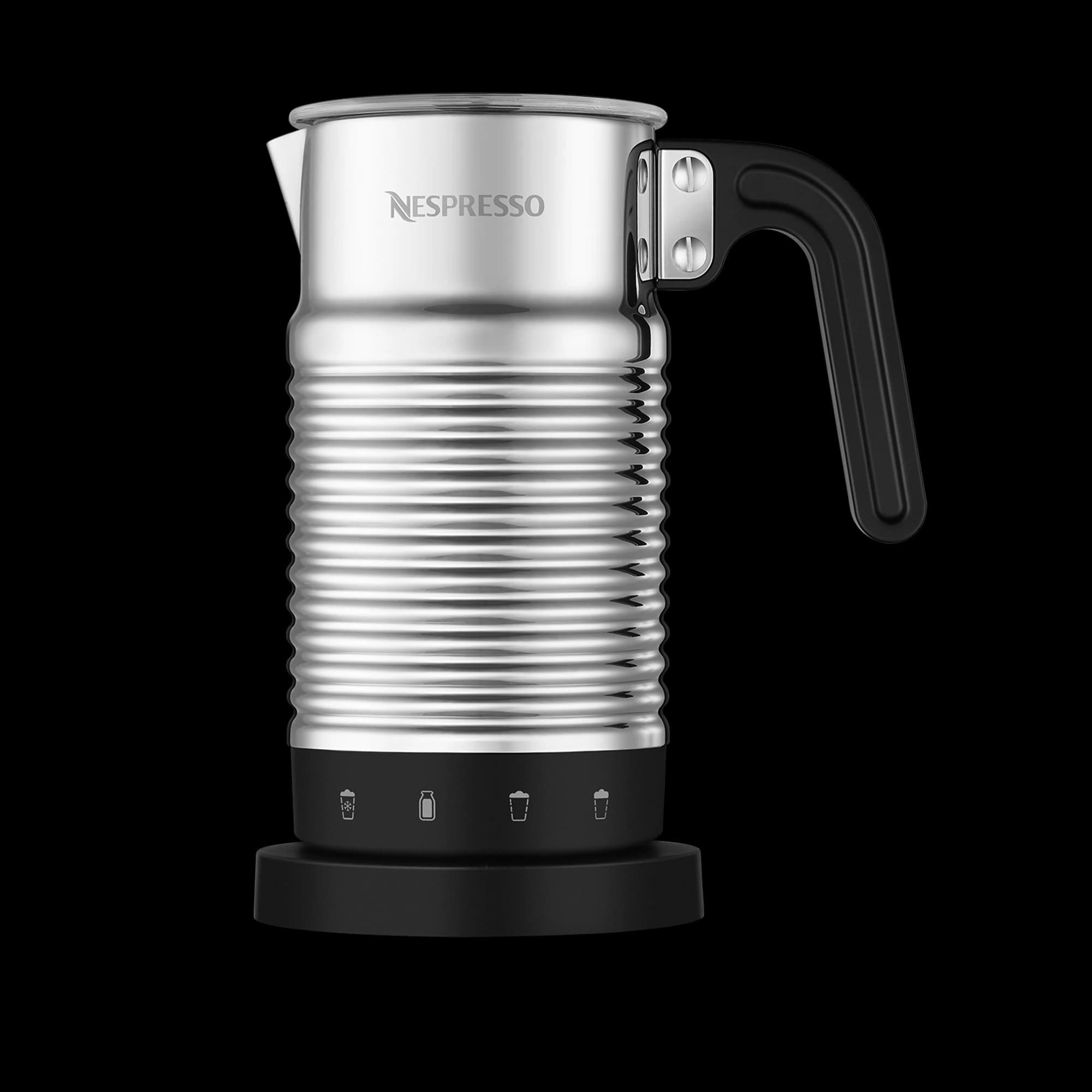
On Nespresso's Aeroccino 4 instructions, the lower maximum line for hot or cold foam is 120 ml / about 4 oz, while the higher 240 ml / about 8 oz line is for hot milk without the same expansion. Other Aeroccino generations have different controls, so read the markings on yours. Foam needs room to expand. Filling to the higher hot-milk line and pressing a foam button can overflow. A 150 ml latte recipe does not require cramming all the milk into a 120 ml foam setting: froth an appropriate portion, then add separately warmed milk if desired. Keep syrup, cocoa, honey and cinnamon in the cup.
A six-minute comparison that answers more than a brand ranking
Keep the capsule, cup, starting milk volume and temperature the same. Make one drink with dairy, one with barista oat and one with almond on different days, washing and drying the whisk each time. Note four things: whether the foam survives a minute, whether the milk pours or falls in a lump, whether the coffee remains recognizable, and how the final third of the cup tastes. The best result for your cappuccino may not be your favorite iced latte. Record the carton name, not merely 'oat' or 'almond,' so the result is useful when you shop again.
Capsule pairings that show the milk rather than hide the coffee
Try Original Volluto with a modest amount of dairy or oat for a gentle breakfast latte; if coffee disappears, reduce the milk before using an excessively long extraction. Firenze Arpeggio is a roasted, cocoa-leaning Original direction that can stand up to a thicker cappuccino cap. With Vertuo, choose an espresso or double-espresso format for a milk-forward cup and confirm the serving size on the sleeve. A mug pod plus the same milk volume makes a different drink, not a stronger latte. Intensity describes a tasting impression, not a direct caffeine measure. See our capsule guide for flavor choices.
What to change when the foam fails
If foam is weak, check the whisk placement, fill line, milk temperature and whether milk residue has built up before buying a new appliance. If milk smells sour, discard the cup and clean the jug and whisk after use. If an Aeroccino 4 flashes an error or will not start, Nespresso's machine assistance describes connector and cleaning checks. Follow the manual for your exact generation: dishwasher permissions differ, and the electrical base never belongs in a sink. For a full routine, see Aeroccino cleaning.
The practical choice
Choose chilled dairy when you want a familiar cappuccino baseline and have no reason to avoid it. Try barista oat when you want a plant-based milk with a creamy latte direction. Choose almond primarily because you enjoy its flavor, and test the carton before relying on its foam for guests. Whatever the carton, use the right frother line, keep additions in the cup and compare one drink at a time. That is a more useful answer than calling every plant milk 'just as good' or every dairy carton identical.
Thick cappuccino foam: a measured starting point
Brew one espresso-sized capsule into a 170–200 ml cup and froth about 100 ml cold milk within your appliance's lower foam limit. Pour the liquid milk first and spoon a little foam on top. If bubbles are large and dry, try a lower-air setting or less frothing; if they collapse, check freshness, whisk placement and residue. An espresso-size Vertuo pod needs Vertuo, while an Original espresso needs Original. Add a second espresso only when you want more coffee concentration, not to compensate for a poorly cleaned frother.
Latte art: an Aeroccino and a steam wand have different limits
Free-pour art needs flowing microfoam rather than a dry foam cap. A Creatista-style wand gives control over milk texture; an Aeroccino is a convenient foam maker but does not guarantee the same pourable result. Start with one espresso in a wide cup and a small jug of freshly textured milk. Swirl until glossy, begin pouring from slightly higher to mix milk into coffee, then bring the spout close to the surface and pour steadily to form a simple white circle. Pull a thin stream through it for a first heart. If foam drops in a lump, work on texture before practicing a more complex shape. Follow your wand's wipe and purge instructions after use.
A useful practice test
Keep the milk carton, espresso and cup the same for three pours. Change only texture or pouring height. Large bubbles indicate too much incorporated air; milk that vanishes beneath the surface throughout the pour may be too thin or poured from too high. Do not buy a new machine solely for a photo-perfect heart: decide whether manual milk work and cleaning fit your routine first. Our five measured coffee-shop recipes gives latte, cappuccino and flat-white starting ratios.
Milk not frothing: separate a texture problem from a fault
If the appliance runs but foam is disappointing, compare a fresh chilled carton, the correct program and the marked fill limit. Check removable parts for residue and correct assembly as the exact manual directs. Keep the same milk volume for the next comparison, and do not put powders or syrup into a jug unless its instructions permit that. Change one factor at a time.
If the whisk does not move, the appliance will not start or it behaves abnormally, stop the texture experiment. Consult its model-specific troubleshooting instructions; unplug it before any care step that requires unplugging, and keep the electrical base out of water. Damage, an electrical smell or persistent abnormal operation needs manufacturer support. Do not open the casing or repeatedly run a stalled appliance. The current Aeroccino 4 assistance page is a starting point for that exact product, not every frother.
A different texture goal is a separate buying decision. Compare NanoFoamer PRO GEN-2 with Aeroccino 4 when you want to practice a flowing latte-art pour or choose preset milk preparations. Neither is a universal repair for a milk carton or cleaning problem.
When a milk test is not enough
What if the whisk does not move at all?
Stop the preparation and follow the exact model's assembly and troubleshooting instructions. Milk selection alone cannot fix a non-moving whisk or electrical fault.
Should failed foam automatically mean buying a NanoFoamer?
No. First compare fresh chilled milk, permitted fill level, the correct setting and clean, correctly assembled parts. Consider a different device only for an unmet texture or workflow need.
What people actually ask
Is there a quick way to choose the right Nespresso machine?
Yes. WhichCapsule's free Find My Machine quiz asks seven questions about your drinks, milk, counter space and budget, then ranks the Original and Vertuo machines with the reason for each match. Take the quiz.