Recipes

Latte Art with Nespresso: What the Milk and Machine Can Really Do

Latte art with Nespresso is possible with a concentrated espresso and pourable microfoam. Learn jug, milk, cup and steam-wand technique plus Aeroccino limits.

· Updated Sep 29, 2026

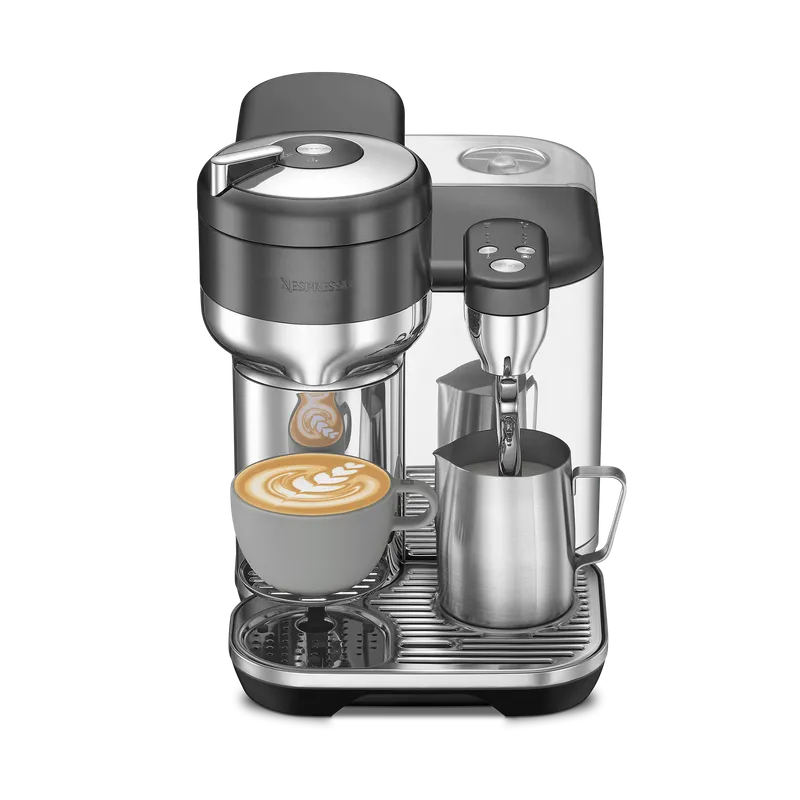
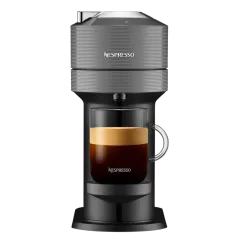
Vertuo Creatista coffee machine
Official Nespresso product photography

As an Amazon Associate I earn from qualifying purchases. Amazon and the Amazon logo are trademarks of Amazon.com, Inc. or its affiliates.

A beautiful leaf on a latte is less about having an expensive capsule and more about getting the milk to move as one glossy liquid. Nespresso can supply the espresso base; the rest depends on the frothing method, jug and pour. I would start with a simple white heart, not a rosetta. It tells you immediately whether the milk is fluid enough to meet the coffee surface.
Canadian recipe note

Volumes in this recipe are in millilitres, matching Canadian packaging. Homogenized (3.25%) milk gives the richest microfoam, while 2% makes a lighter everyday latte. If you use a plant drink, the versions labelled "barista" hold foam best.

Coffee base and cup

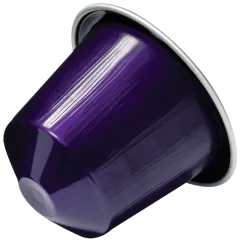
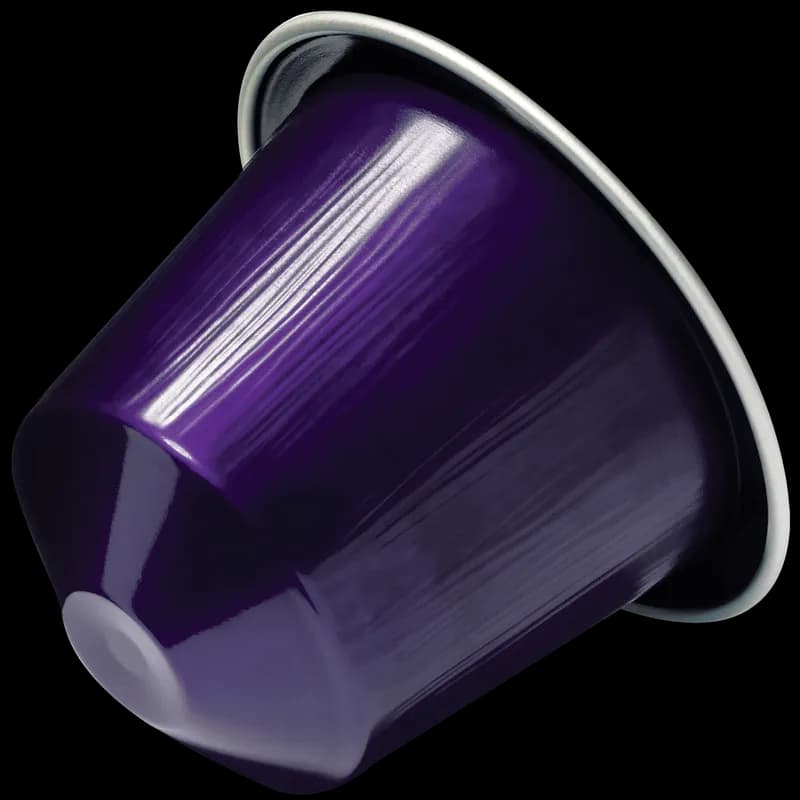
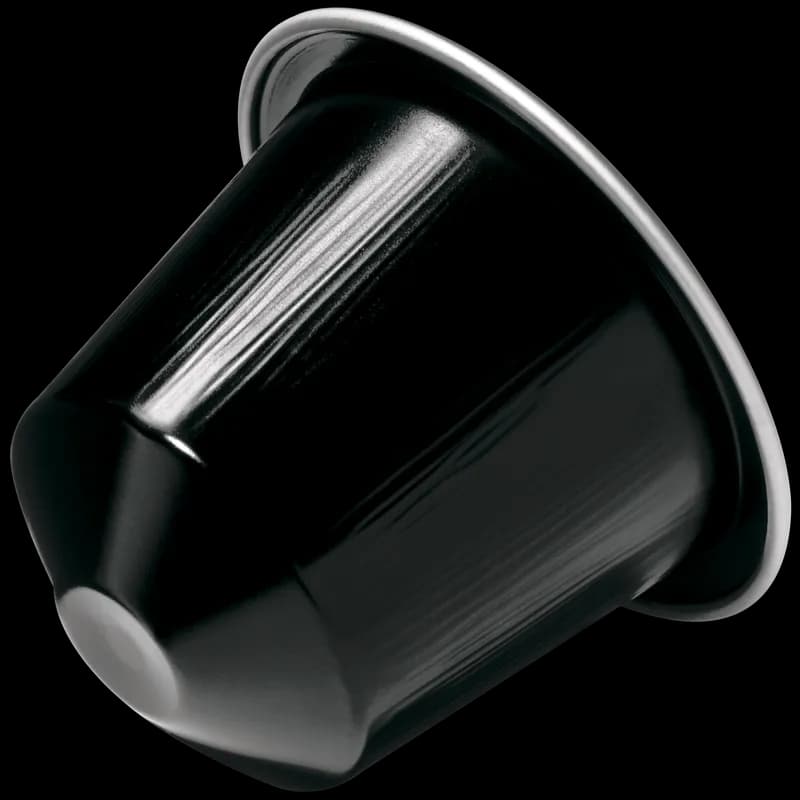
Brew one 40 ml / 1.35 oz espresso into a small, wide cup of around 180–240 ml. For Original, Firenze Arpeggio makes a darker canvas and a cocoa-leaning milk drink; Ristretto Italiano is more roasted. A Vertuo espresso-format capsule can supply a base in a Vertuo Creatista. Do not use a full Vertuo mug capsule for this small-cup ratio, and do not run a lungo capsule far beyond its intended volume hoping for a larger canvas.

Use around 120 ml / 4 oz cold milk in a jug that leaves room for expansion. A wider cup makes it easier to bring the spout close to the surface, but the size should still match the drink. A heavily whipped foam cap cannot draw a clean pattern because it lands as a blob.

Texture milk before thinking about a pattern

With a steam wand, begin with the tip near the surface for a little air, then roll the milk so larger bubbles are broken down. Follow the exact Creatista model's program and cleaning directions. When finished, tap the jug gently and swirl. You are looking for glossy, pourable milk with a fine texture; do not heat it until it feels scalding or allow dry froth to separate above thin liquid.

An Aeroccino makes an enjoyable milk drink, but its output often separates into liquid and a thicker cap. Select its gentlest hot-milk setting if available and swirl before pouring. You may get a simple pale mark; detailed latte art is far more reliable with a steam wand. This is why a Pixie plus frother and a Creatista Plus are different gifts and different workflows, even though both can make a latte.

Find My MachineStep 1 / 7

What do you usually drink?

Compare prices on Amazon

Pour a first heart

Tilt the cup slightly. Start pouring from a little higher up in a narrow stream to mix milk with espresso. As the cup fills, bring the jug spout close to the surface and increase the flow slightly. A white circle should appear; finish by lifting the jug and drawing a thin line through it. Stop while there is still room in the cup. The exact hand movement takes practice, but if no white surface appears, the first problem is usually milk texture or pour height rather than the capsule's roast.

Try three cups with the same milk and coffee before switching equipment. If the design vanishes, the milk was too thin or you poured high for too long. If a clump drops out, it was too stiff. If the pattern forms but the drink tastes weak, reduce milk or choose a stronger-tasting espresso next time.

Clean the equipment and keep expectations honest

Milk residue on a wand or jug affects both hygiene and texture. Purge and wipe the steam wand according to the machine manual immediately after use. Do not put flavoured syrup into the milk circuit unless the manufacturer instructs otherwise; add it to the cup. A Creatista Plus is the straightforward Original steam-wand choice, while Vertuo Creatista uses Vertuo capsules. A basic Essenza Mini with a separate frother can make a delicious latte but is not the same practice tool.

Nespresso's flat-white recipe supplies a practical espresso-and-textured-milk baseline. Our flat-white guide focuses on the drink's ratio; here the focus is the pourable texture and first pattern.

A short practice ladder

First pour plain warm milk into coffee without trying to draw. Can you keep a steady narrow stream? Next, bring the spout close enough to create a simple white dot. Only then try the heart line. Practice with the same cup, milk and capsule for several attempts; swapping all three variables after each pour hides the actual problem. A phone video from the side can reveal whether the jug is too high, but it cannot tell you how the milk tastes.

A small pattern is enough. Some capsules create a different crema appearance, and Vertuo's larger foam head behaves differently from an Original espresso surface. Do not promise a perfect rosetta from every system. If the flavour is good but the art is messy, keep the enjoyable drink and improve the pouring separately. The goal is a satisfying cup, not a photograph at any cost.

Machine comparisons

Two machines, side by side

Top machine picks on Amazon

Prices and stock are shown on Amazon

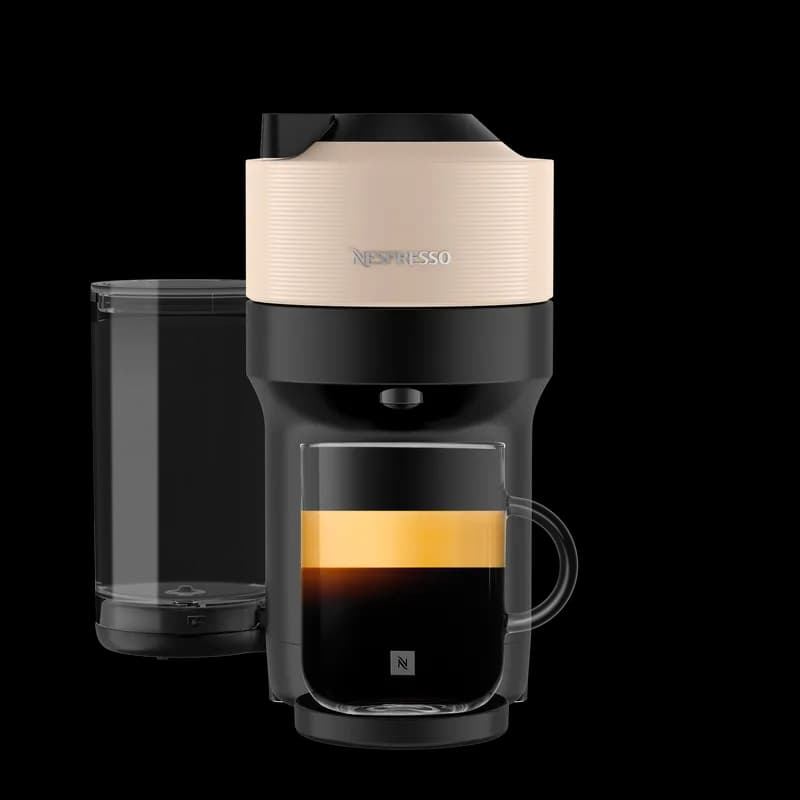
VertuoNespresso Vertuo Pop+See price on Amazon
VertuoNespresso Vertuo LattissimaSee price on Amazon
VertuoNespresso Vertuo CreatistaSee price on Amazon
OriginalNespresso Creatista PlusSee price on Amazon
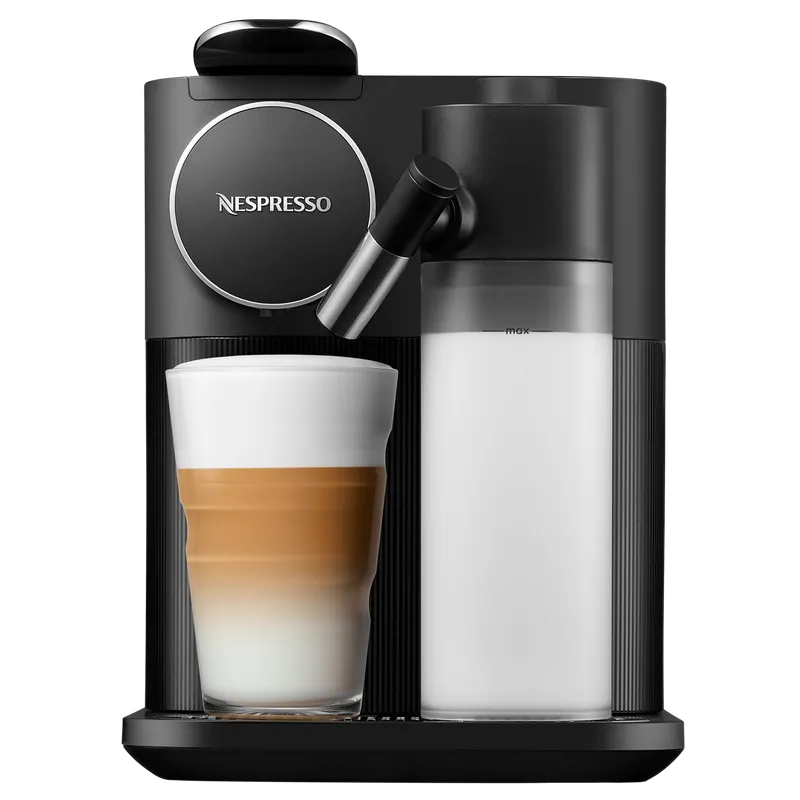
OriginalNespresso Gran LattissimaSee price on Amazon
OriginalNespresso CitiZ PlatinumSee price on Amazon
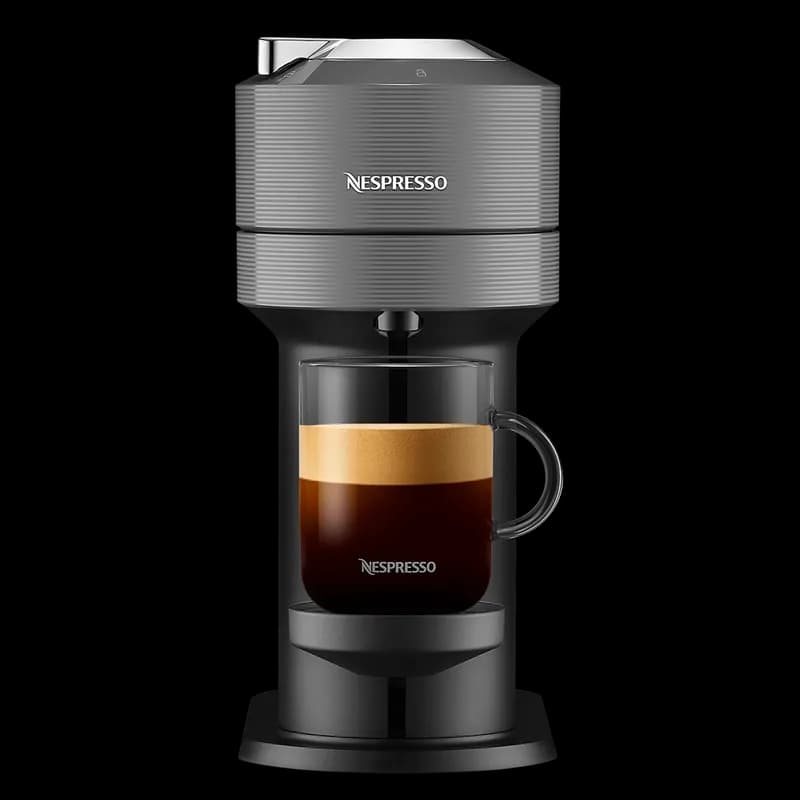
VertuoNespresso Vertuo NextSee price on Amazon
OriginalNespresso Lattissima OneSee price on Amazon

As an Amazon Associate I earn from qualifying purchases.

Keep exploring

View all guides