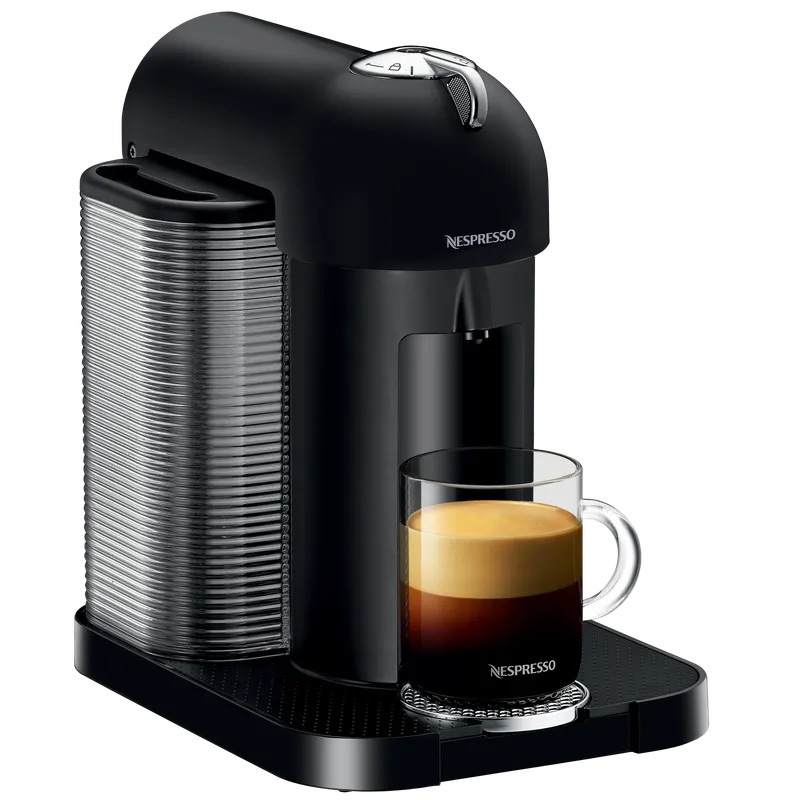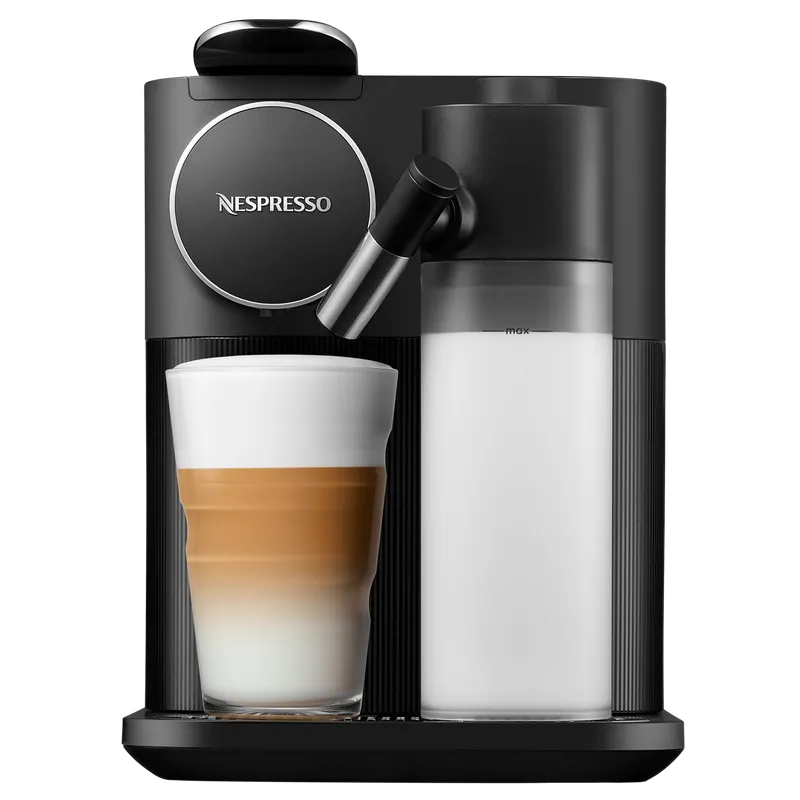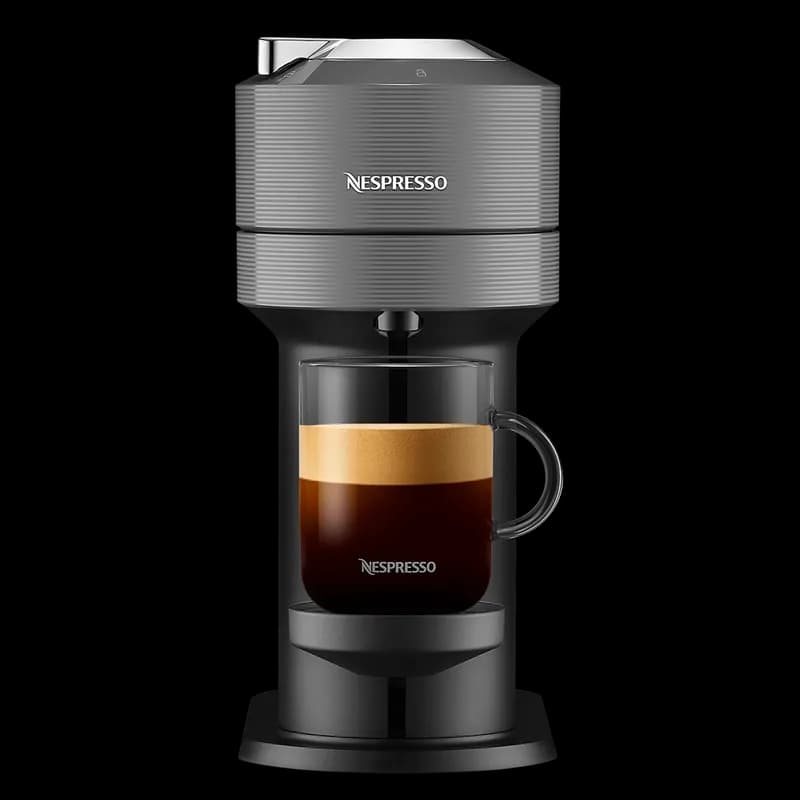

Regular machine maintenance will not make a Nespresso machine last forever, but it can prevent avoidable problems: sour smells, slow flow, weak coffee, overflowing drip trays, stuck capsules and milk residue.
This guide is written for home users with Nespresso Original or Vertuo machines. Exact cleaning modes, button sequences and removable parts can vary by model, so use your manual for model-specific instructions. Do not open the machine housing, scrape inside the brewing area with metal tools, or run vinegar and homemade cleaners through the water path.
Quick Answer
Regular Nespresso maintenance matters because coffee oils, used capsules, milk residue and water minerals build up over time. A good routine is simple: refresh the tank, empty wet parts, wipe visible coffee residue, rinse milk parts and descale according to your model manual and water hardness.
Step 1: Treat maintenance as a routine, not an emergency fix
Most people think about maintenance only when the machine leaks, blinks, tastes bitter or pumps slowly. Regular care is easier when it is connected to habits you already have: after several capsules, after milk drinks, or when the drip tray starts filling faster than expected.
Maintenance mainly controls three things: residue, water quality and mineral buildup. Residue affects smell and taste. Water quality affects the tank and internal path. Mineral buildup affects flow and temperature consistency.
Step 2: Refresh the water tank often
Remove the water tank, rinse it, and refill it with fresh water instead of repeatedly topping up old water. Check that the tank is seated firmly when you put it back.
Do not put hot water, milk, flavored syrup or cleaning chemicals into the water tank. If you use filtered water, do not present it as a magic fix. It may help in some areas, but descaling and cleaning still matter.
Step 3: Empty the used-capsule container and drip tray
Used capsules hold moisture and coffee grounds, so they can create odor if they sit too long. The drip tray can also fill faster than expected.
Empty both parts regularly. Rinse removable pieces and dry them before putting them back. If your manual says a part is dishwasher-safe, follow that guidance; otherwise, wash by hand.
| Maintenance Area | Why It Matters | Safe Habit |
|---|
| Water tank | Old water and poor seating can affect flow | Rinse, refill and reseat firmly |
| Used-capsule container | Moist capsules can create odor | Empty before it becomes packed |
| Drip tray | Overflow can look like a leak | Empty, rinse and dry regularly |
| Coffee outlet | Oils can affect stream and taste | Wipe visible residue gently |
| Milk system or frother | Milk residue spoils quickly | Clean after milk drinks |
| Internal water path | Minerals can restrict flow | Descale with model-correct guidance |
Step 4: Wipe the outlet and visible capsule area
Coffee oils can collect around the outlet and capsule chamber. Turn the machine off, let it cool, and wipe only visible, accessible areas with a damp, non-abrasive cloth.
Avoid poking deep into the capsule area. If a capsule is stuck, if the lever resists, or if the head will not close normally, stop and troubleshoot that specific issue. Forcing the lever can create a bigger problem.
Step 5: Keep milk care separate
Milk systems need more attention than black coffee use. If your setup includes an Aeroccino, carafe or removable milk tube, clean milk-contact parts after use.
This does not change capsule compatibility. A milk accessory does not make an Original capsule work in Vertuo, and it does not make a Vertuo pod work in an Original machine. It only changes how you prepare milk drinks.
Step 6: Descale before flow problems become serious
Cleaning removes visible residue. Descaling targets mineral buildup inside the water path. If coffee becomes slower, cooler, noisier or inconsistent, descaling may be relevant.
Follow your model manual for descaling mode, rinse cycle and solution amount. Do not assume all Original machines share one button sequence, and do not assume all Vertuo machines reset or descale the same way. Complete the rinse cycle fully.
Original vs Vertuo maintenance note
Original and Vertuo machines use different capsule systems, so maintenance advice should stay system-aware. Original capsules are not Vertuo pods, and Vertuo pods are not for Original machines. Many third-party compatible capsules are made for Nespresso Original-style machines only; do not assume they work with Vertuo unless the packaging clearly says so.
Maintenance tasks are similar in principle, but exact machine behavior and cleaning modes can differ.
When maintenance is not enough
Stop using the machine and contact support if you see water near electrical parts, repeated leaks from the base, burning smells, unusual grinding noises, a lever that will not move safely, or no improvement after model-correct cleaning and descaling.
FAQ
How often should I maintain my Nespresso machine?
Use your manual as the main guide. As a practical habit, empty wet parts often, refresh the water tank regularly, clean milk-contact parts after use and descale when your model or water conditions require it.
Is cleaning the same as descaling?
No. Cleaning removes visible coffee oils, milk residue and everyday mess. Descaling targets mineral buildup inside the water path.
Can I use vinegar for regular maintenance?
Avoid vinegar and homemade cleaning mixtures inside the machine. Use model-appropriate cleaning and descaling guidance instead.
Does maintenance differ between Original and Vertuo?
The general habit is similar, but capsule systems, machine designs and cleaning modes differ. Always follow the instructions for your exact machine.