A slow drip from a Nespresso machine does not always mean the machine is broken. Sometimes the cause is simple: a low water tank, a capsule that is not seated well, coffee residue around the outlet, a full used-capsule container, or limescale building up inside the water path. This guide covers general checks for Nespresso Original and Vertuo machines. Button sequences and cleaning modes can vary by model, so use your manual for exact instructions. Do not open the machine housing, push metal tools into the brewing area, or use homemade chemical solutions.
Step 1: Decide whether it is truly a flow problem
Not every slow-looking extraction is a fault. A short espresso can drip more slowly than a long cup, especially near the end of extraction. Warning signs include much less liquid than expected, only a few drops, weak pressure, unusual noise, or a cycle that takes far longer than usual.
Compare the current cup with your usual result. Did you change cup size, capsule type, water source or machine location? If the change started after a long period without cleaning or descaling, limescale and residue become more likely.
Step 2: Check the water tank and machine position
Remove the water tank, rinse it, refill it with fresh water and seat it firmly. A tank that looks full can still be slightly misaligned. Also check that the machine is on a flat, stable surface. If the tank valve is not sitting correctly, the pump may struggle to draw water.
Do not use hot water in the tank. Do not add vinegar, lemon juice or cleaners to “push through” a blockage. If your local water is hard, the answer is a proper descaling routine, not an aggressive homemade flush.
Step 3: Remove the capsule and run a water-only check
If your model allows a water-only cycle, run one without a capsule and watch the flow. Place a large cup under the outlet. If water flows normally without a capsule, the machine may not be blocked internally. The issue could be the capsule, capsule position, piercing area, brew head or a full used-capsule container.
If water is still slow without a capsule, stop and move to cleaning and descaling checks. ## Step 4: Clean visible areas only
Turn the machine off and let it cool. Empty the used-capsule container and drip tray. Wipe the capsule chamber, coffee outlet and accessible surfaces with a damp, non-abrasive cloth. Coffee oils and small grounds can collect around the outlet and make the stream uneven.
Avoid sharp tools. Do not scrape inside the machine, force the lever, or poke the outlet with metal objects. If a capsule appears stuck, solve that first rather than trying to start another brew.
Coffee exits in thin drops
- Likely area to check
- Outlet or capsule area
- Safe first action
- Wipe visible residue and run water-only cycle
Water-only cycle flows normally
- Likely area to check
- Capsule fit or brew chamber
- Safe first action
- Try a fresh compatible capsule after cleaning
Water-only cycle is also slow
- Likely area to check
- Limescale or internal flow path
- Safe first action
- Descale according to your model manual
Flow is slow and machine is loud
- Likely area to check
- Tank seating or pump struggling
- Safe first action
- Reseat tank, stop if noise continues
Water leaks during slow flow
- Likely area to check
- Tray, tank or internal leak
- Safe first action
- Stop and troubleshoot leak separately
Step 5: Descale if flow stays slow
Limescale can restrict flow gradually. Descaling is different from everyday cleaning: it targets mineral buildup inside the water path. Use a descaling product and instructions suitable for your machine model. Do not assume the same button sequence works for every Original or Vertuo machine.
After descaling, always complete the rinse cycle. Leftover solution can affect taste and should not remain in the machine.
Original vs Vertuo note
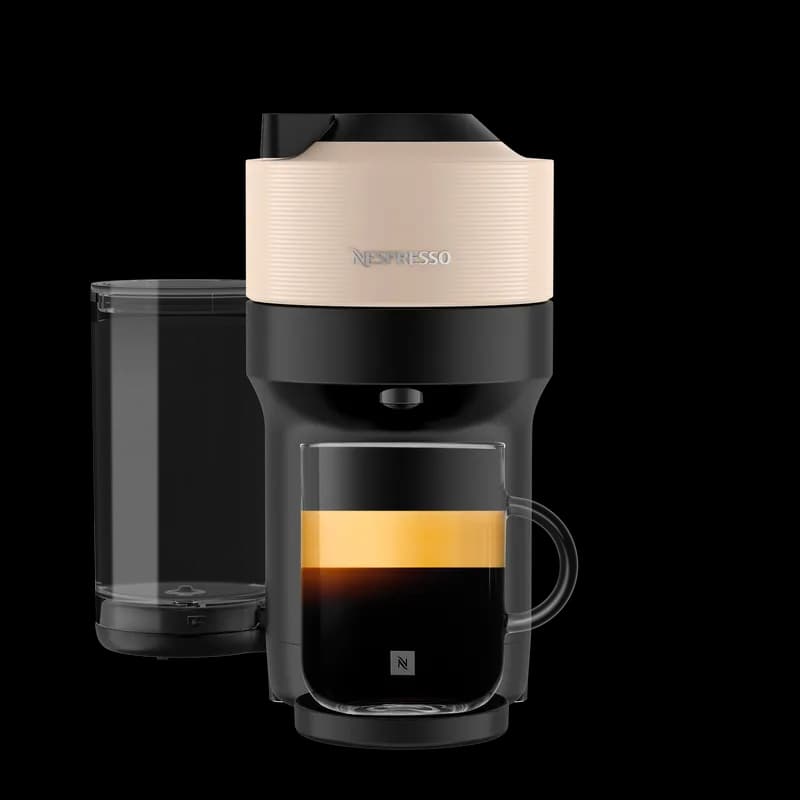
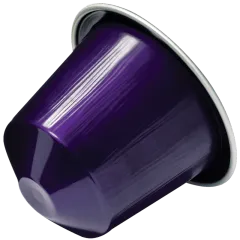
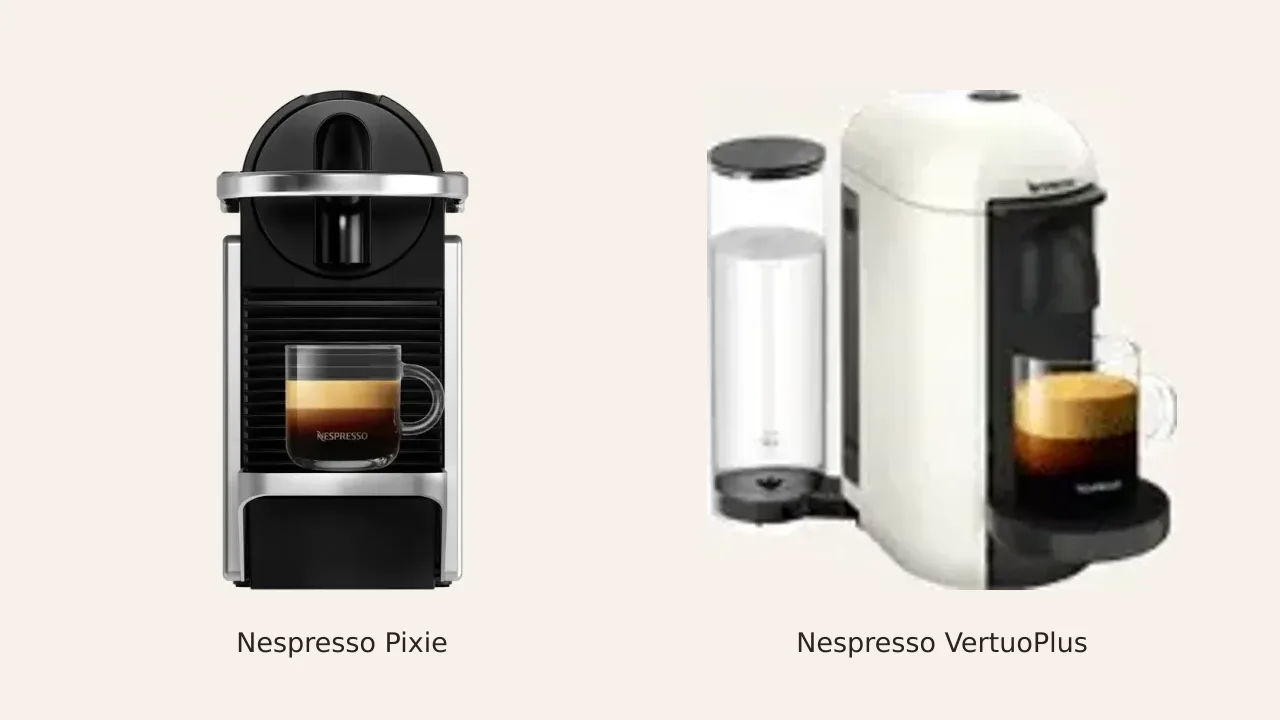
Original machines and Vertuo machines use different capsule systems, so troubleshooting should stay system-aware. Original capsules are not Vertuo capsules, and Vertuo pods are not for Original machines. Many third-party compatible capsules are made for Nespresso Original-style machines only; do not assume they work in Vertuo unless the packaging clearly says so.
Flow behavior can also look different. Original espresso extraction may appear like a narrow coffee stream. Vertuo brewing can vary by pod size and model behavior. What matters is whether your machine has changed from its normal pattern.
FAQ
Why is my Nespresso dripping instead of flowing?
Common causes include a misseated water tank, capsule fit, residue around the outlet, a full used-capsule container, limescale buildup, or a model-specific error mode.
Can descaling fix slow Nespresso flow?
Yes, if mineral buildup is restricting the water path. Descaling will not fix every problem, but it is a logical step when cleaning and water-tank checks do not help.
Should I use vinegar for a slow drip problem?
No. Use model-appropriate cleaning and descaling instructions. Vinegar and homemade mixtures can create odor, taste and material risks.
Does slow flow mean my capsule is incompatible?
Possibly, especially with third-party capsules in Original machines. But slow flow can also come from residue, limescale or tank issues. For Vertuo, never assume third-party compatibility unless it is clearly verified on the packaging.
Is there a quick way to choose the right Nespresso machine?
Yes. WhichCapsule's free Find My Machine quiz asks seven questions about your drinks, milk, counter space and budget, then ranks the Original and Vertuo machines with the reason for each match. Take the quiz.